The Benefits of Sourdough Bread: Why It's Better for You
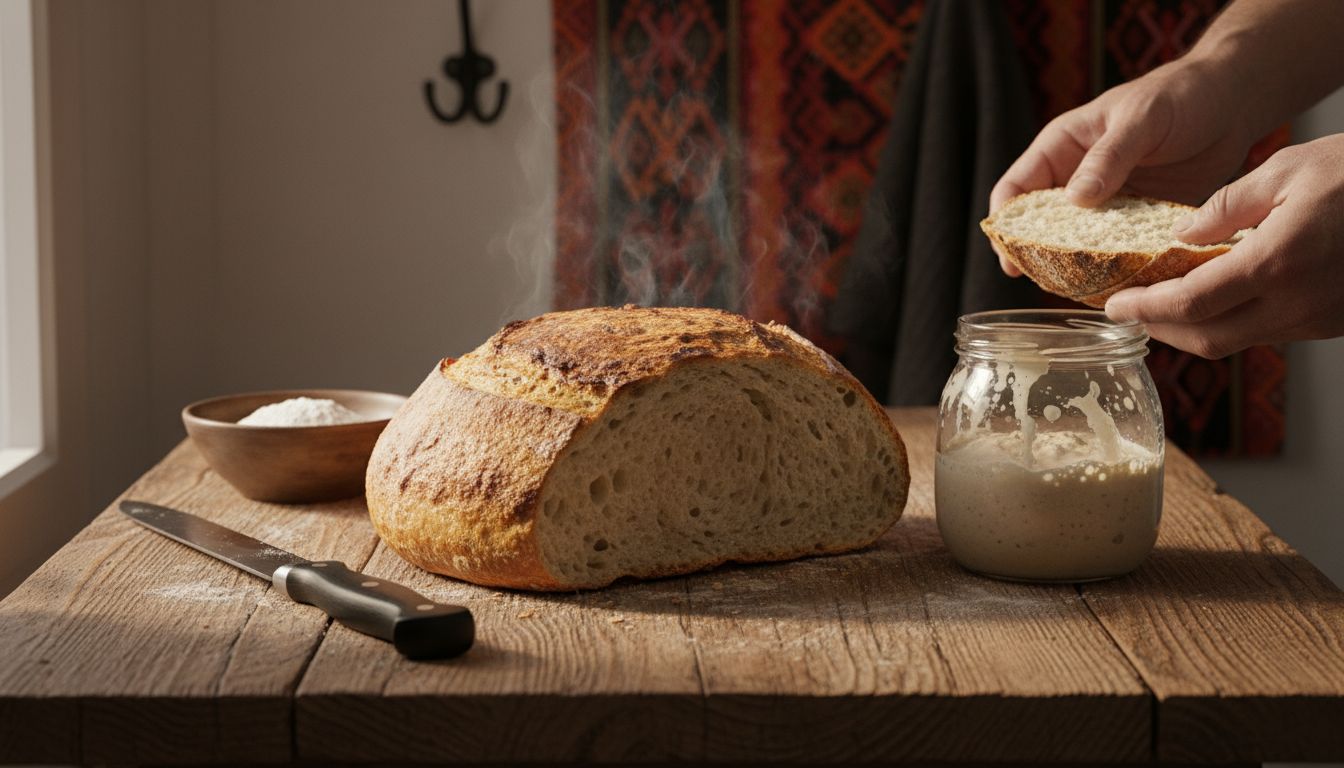
Have you noticed that some people swear by sourdough bread, while others think it's just a trend? What's the truth?
The short answer: sourdough bread really is different. It's not marketing, but chemistry and biology. Long fermentation fundamentally changes what you eat — from how easily you digest the bread to how much your blood sugar rises after eating it.
In this guide, I'll explain exactly what benefits it has, why it's different from store-bought bread, and how to choose (or make) a real sourdough loaf.
📋 The 5 Main Benefits
- Easier Digestion — fermentation breaks down gluten and irritants
- Stable Blood Sugar — lower glycemic index than regular bread
- More Nutrients — minerals become available to the body
- Lasts Longer — 4-5 days without preservatives
- Unmatched Flavor — notes that quick yeast can't create
Contents
- What sourdough bread is (briefly)
- 5 scientifically proven benefits
- Types of sourdough bread
- Sourdough vs. store-bought bread
- How to choose a real sourdough loaf
- Frequently asked questions
What Sourdough Bread Is (Briefly)
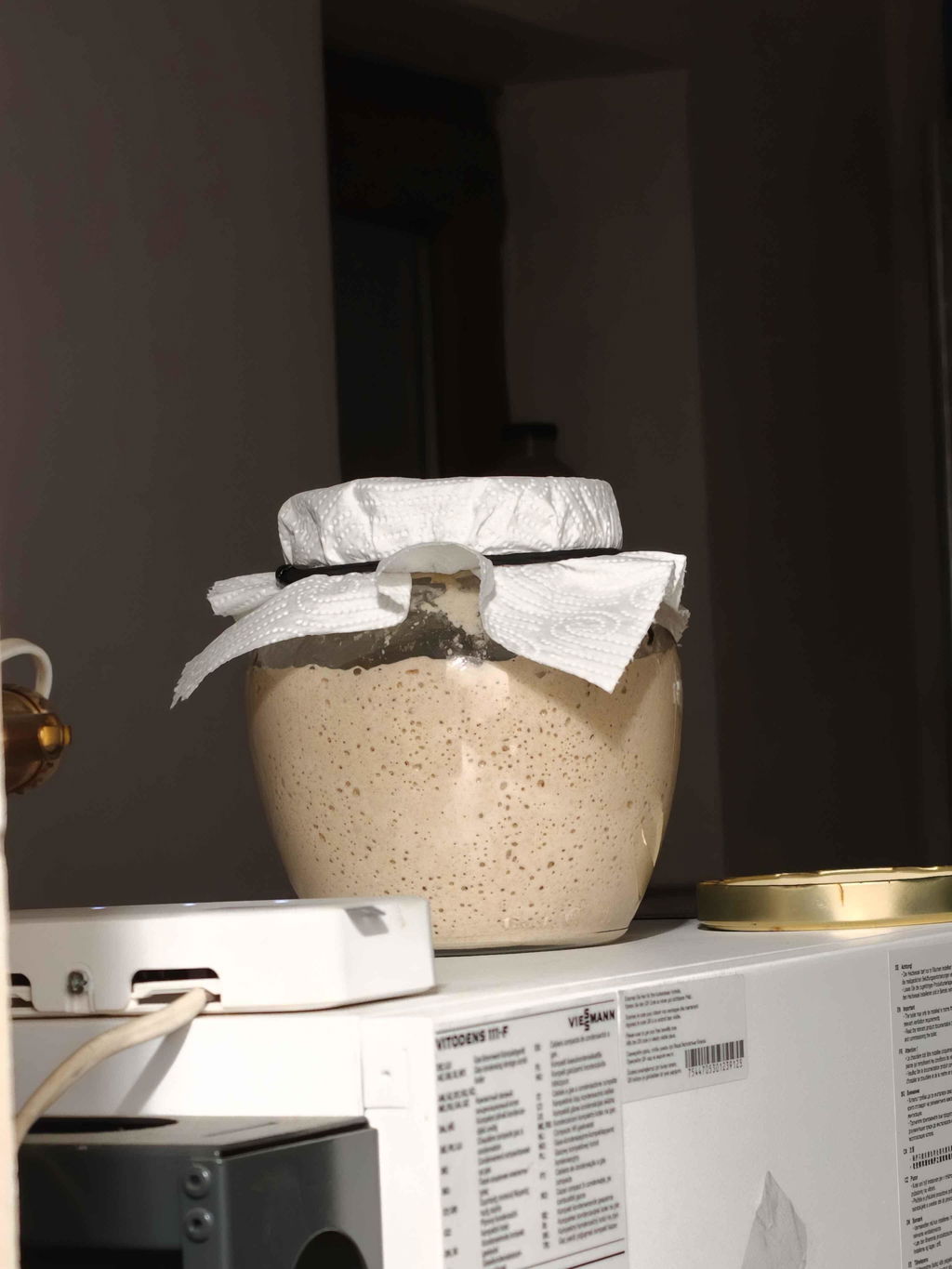
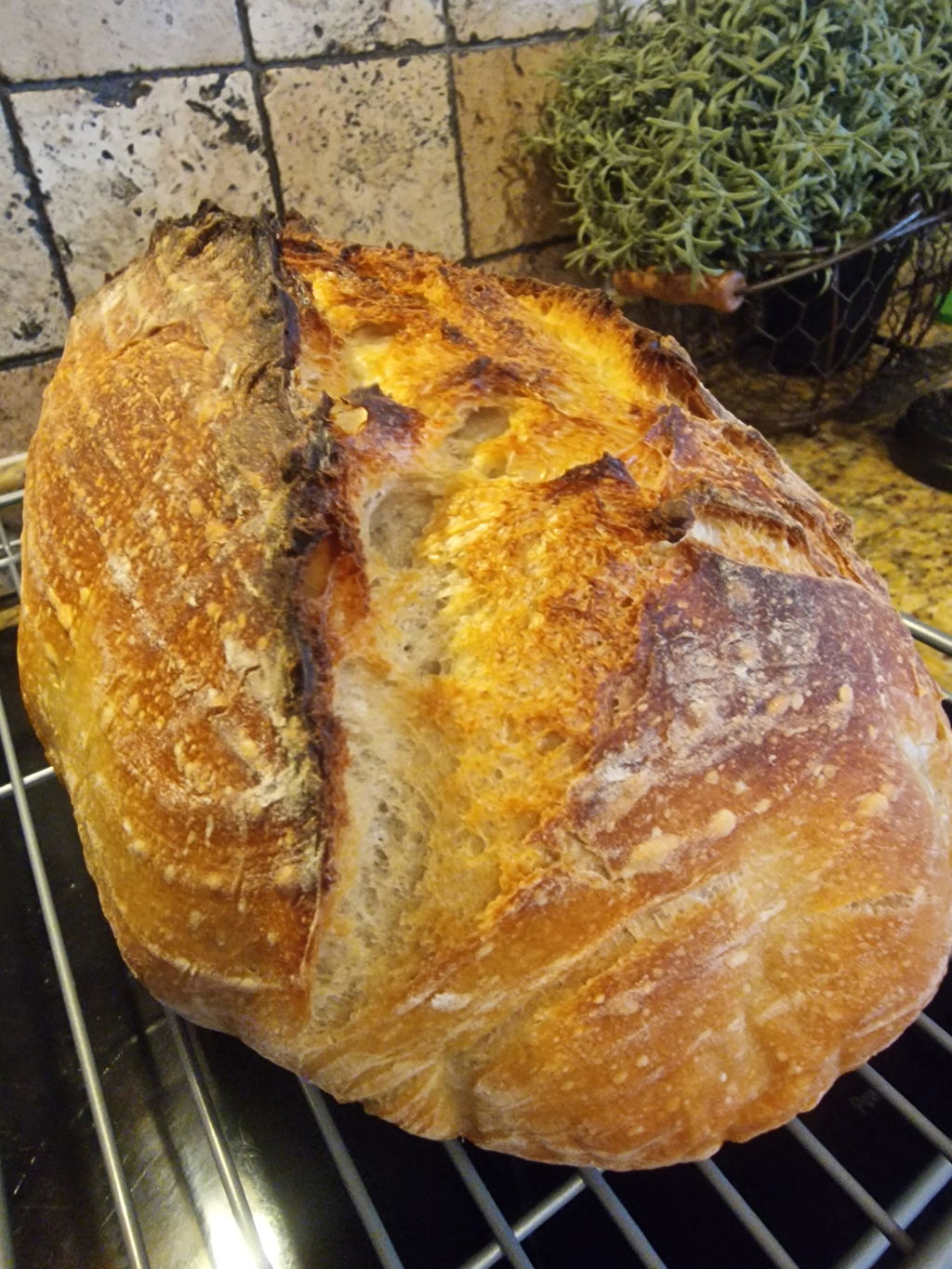
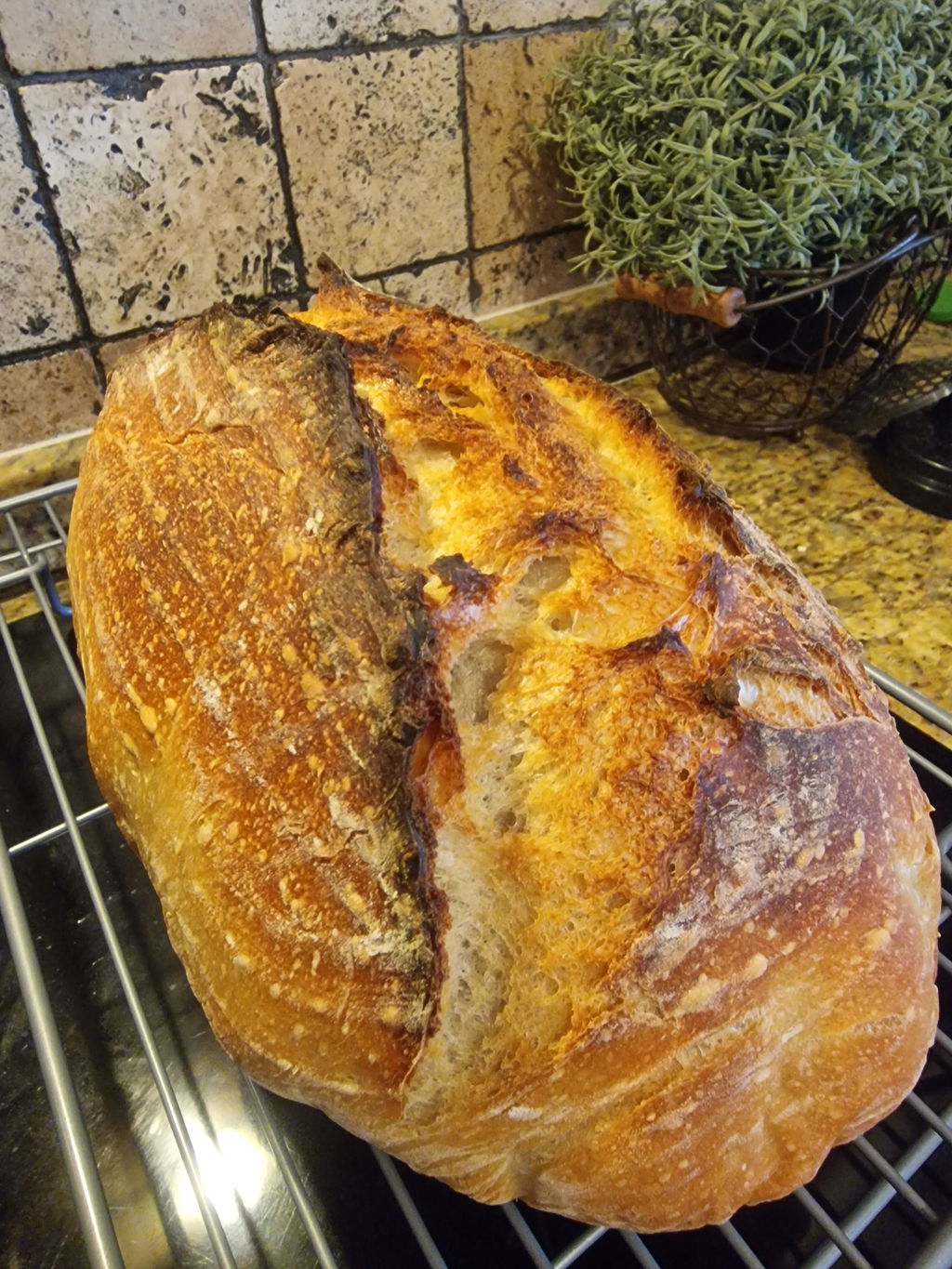
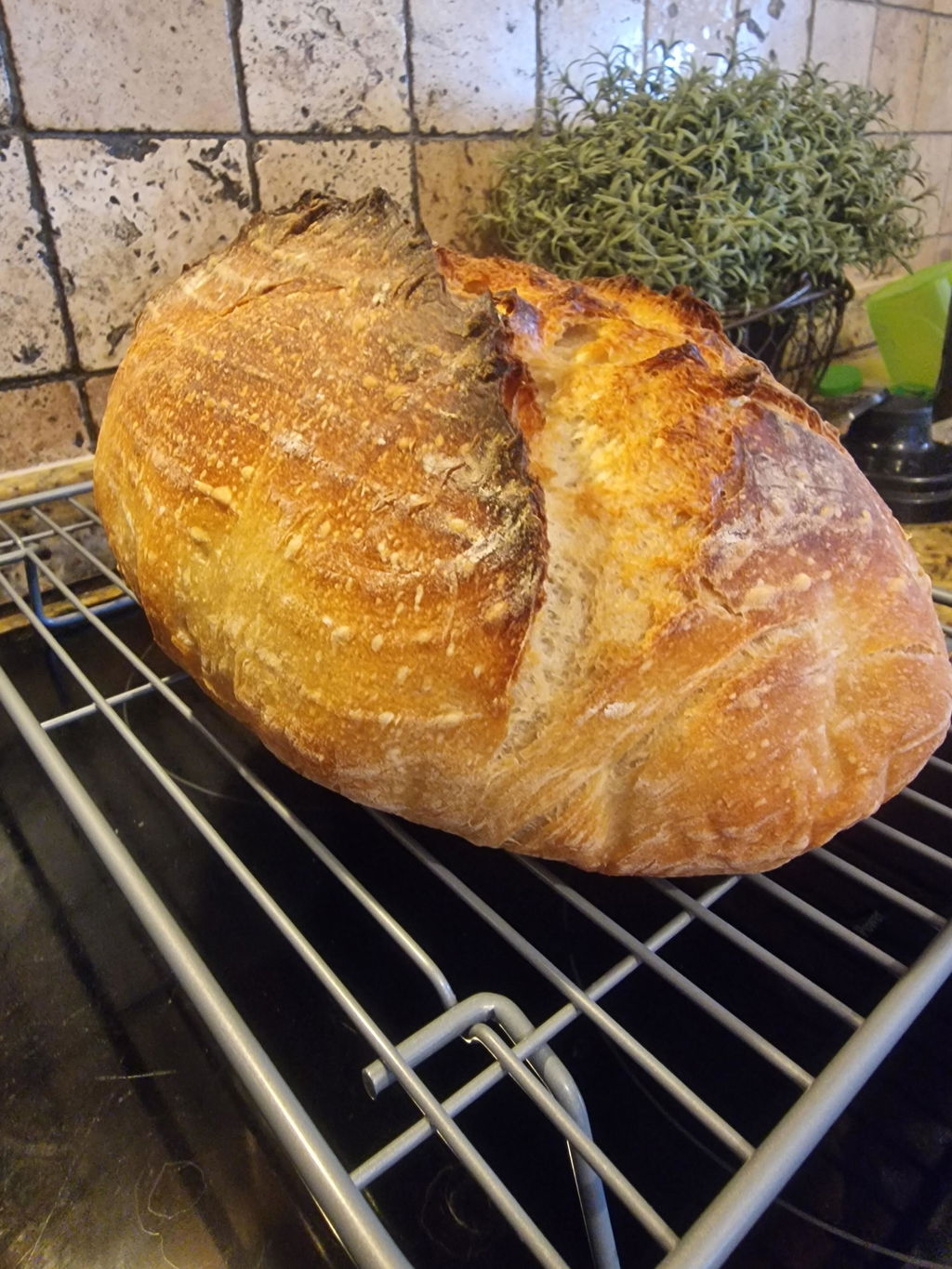
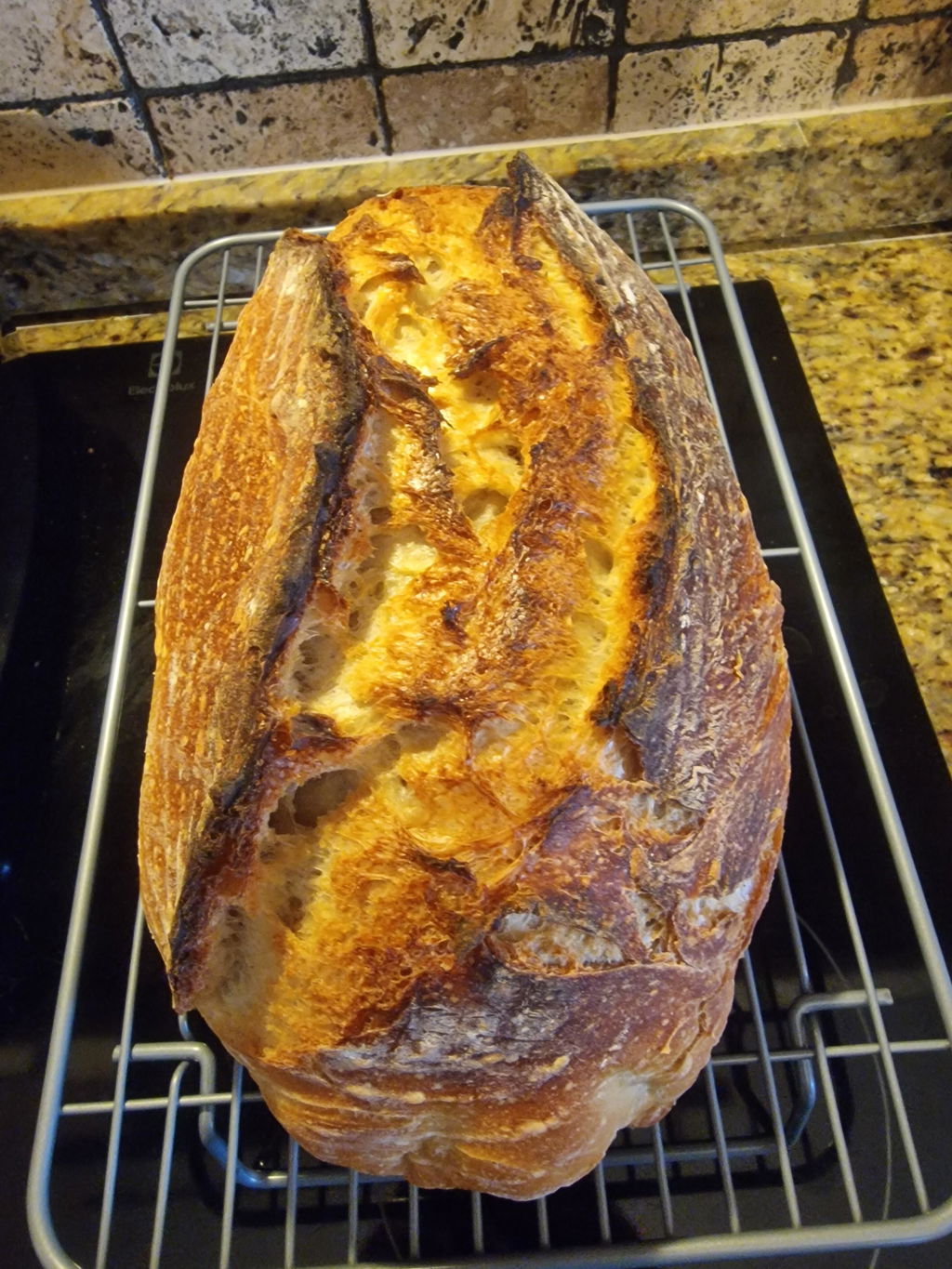
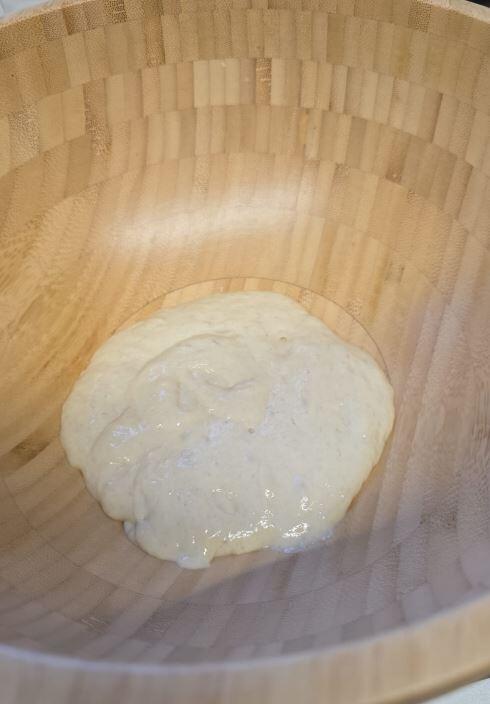
Sourdough bread is made from a "starter" — a mixture of flour and water in which wild yeasts and lactic acid bacteria grow naturally. These microorganisms ferment the dough for 12-24 hours.
Unlike regular bread (which uses packaged yeast and ferments for 1-2 hours), sourdough has time to transform at a chemical level:
- Gluten is partially broken down
- Substances that block mineral absorption are neutralized
- Beneficial organic acids for the gut are produced
- Hundreds of aromatic compounds are developed
The result: a bread that's easier to digest, more nutritious, and has an unmatched flavor.
"I gave up bread for 5 years because of bloating. When I tried sourdough bread, I was shocked — I can eat 2-3 slices with no problem." — Elena, 48, Maia Fermentată customer
5 Scientifically Proven Benefits
1 Easier Digestion
The most important benefit — and the reason many people with digestive issues tolerate sourdough bread.
What happens: Long fermentation breaks down gluten and FODMAPs (sugars that cause bloating in many people). Studies show that sourdough fermentation can reduce gluten by up to 90%.
Who this matters for: People with gluten sensitivity (not celiac disease), irritable bowel syndrome, or anyone who feels "heavy" after bread.
2 More Stable Blood Sugar
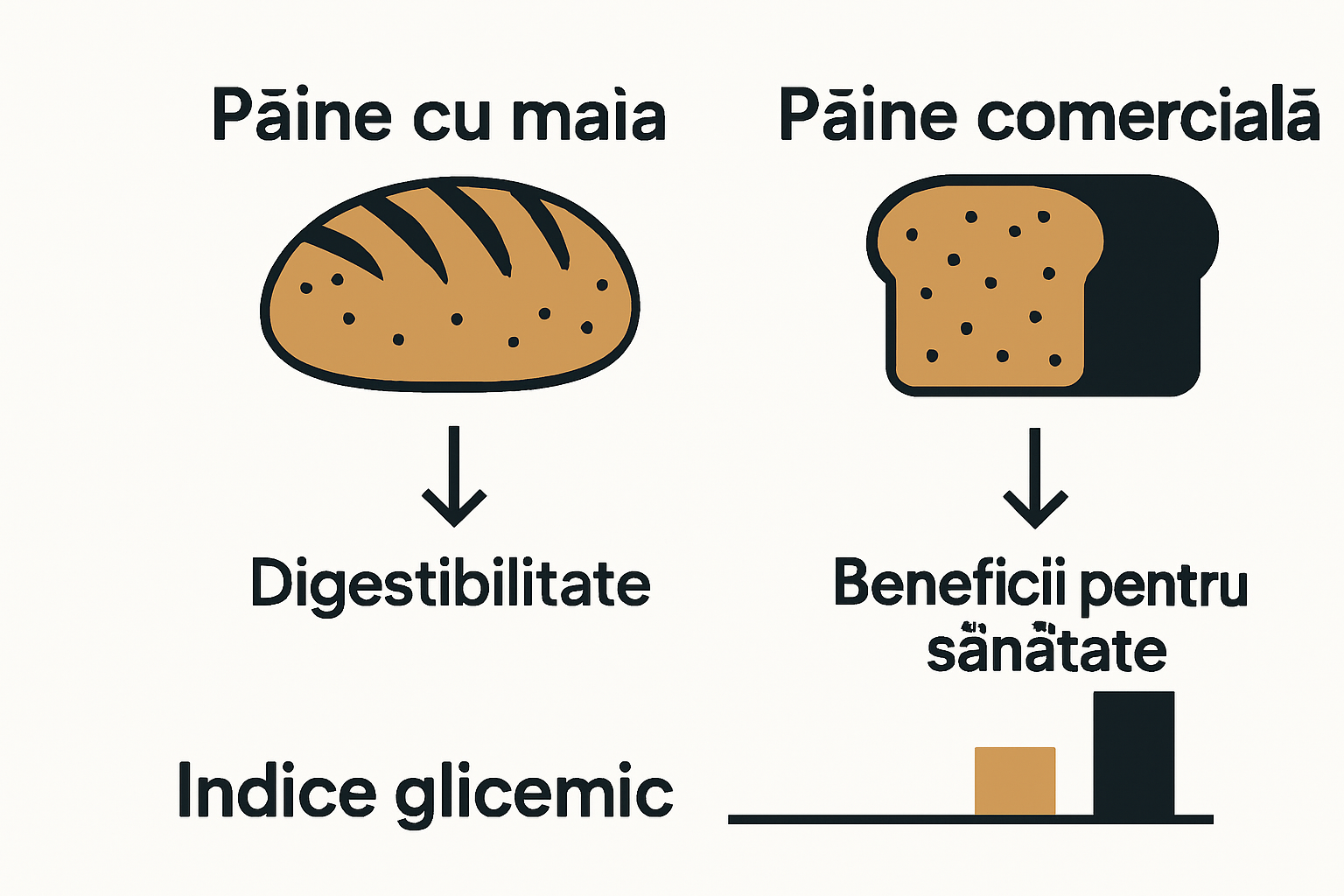
Sourdough bread has a glycemic index of ~54, compared with ~75 for regular white bread.
What this means: After eating sourdough bread, blood sugar rises more slowly and less sharply. You don't get that "spike" followed by fatigue and hunger.
Why it happens: The organic acids produced during fermentation slow down starch digestion. It's like having a natural "brake."
3 More Available Nutrients
Grains contain iron, zinc, magnesium — but they're "locked up" by substances called phytates. The body can't absorb them efficiently.
Fermentation solves the problem: The bacteria in sourdough break down phytates, releasing the minerals. In practice, you get more nutrients from the same amount of bread.
The concrete difference: Studies show that mineral bioavailability increases by 30-50% in sourdough bread.
4 Lasts Longer (Without Preservatives)
Yeast bread dries out in 1-2 days. Sourdough bread? 4-5 days at room temperature, without going moldy.
The secret: The natural acidity produced by lactic acid bacteria inhibits mold growth. It's a natural preservative, with no additives.
Bonus: Sourdough bread toasts beautifully even after 4-5 days — it gets crisp, not chewy.
5 Complex, Layered Flavor
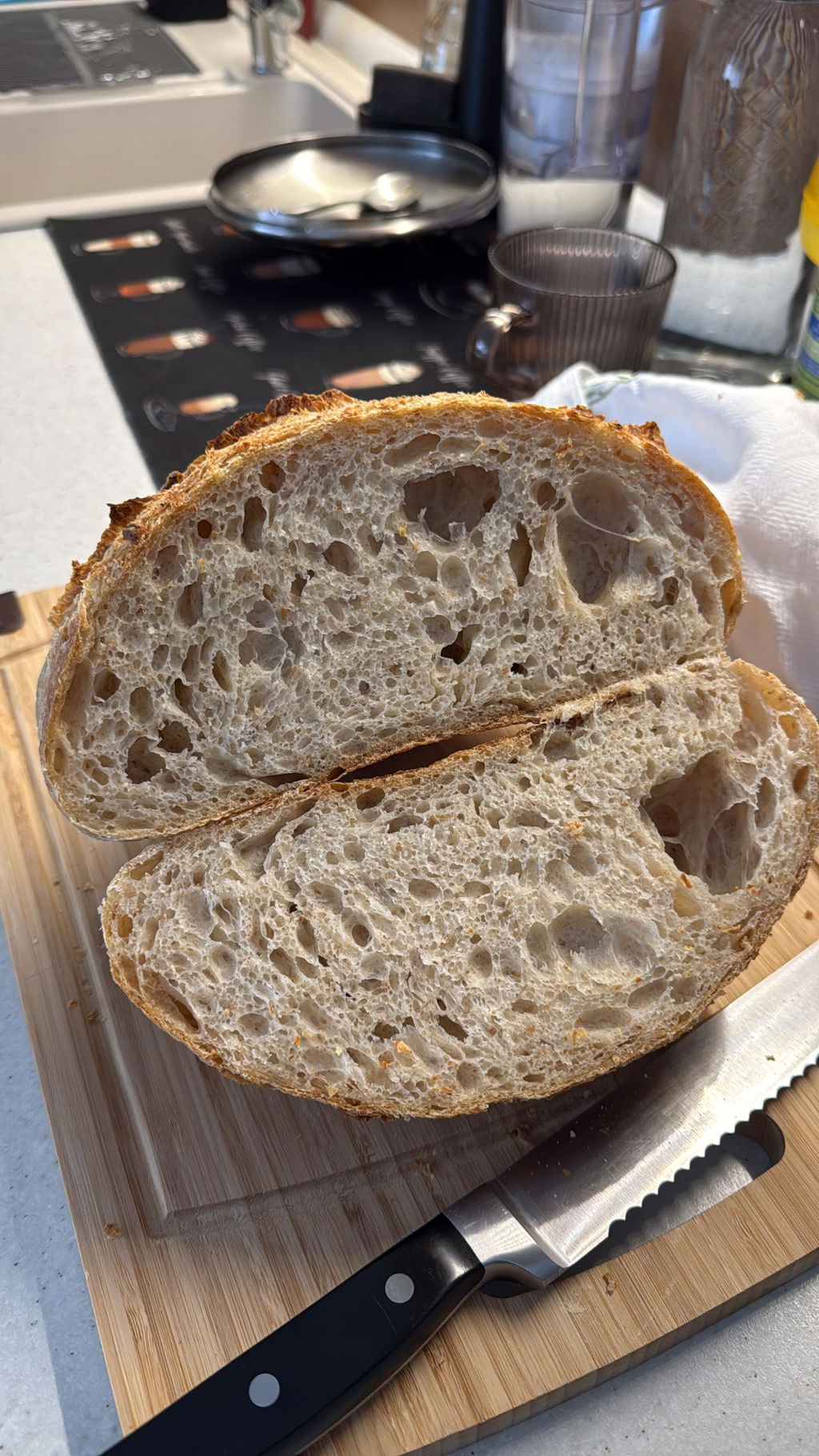
Sourdough bread has a flavor you won't find in regular bread — lightly tangy, with nutty notes and sometimes fruity ones.
Why: Over the 12-24 hours of fermentation, microorganisms produce hundreds of aromatic compounds. Quick yeast (1-2 hours) doesn't have time to create that complexity.
Experiment: Put a slice of sourdough bread next to one made with yeast. Close your eyes and taste them one by one. The difference is obvious.
Types Of Sourdough Bread
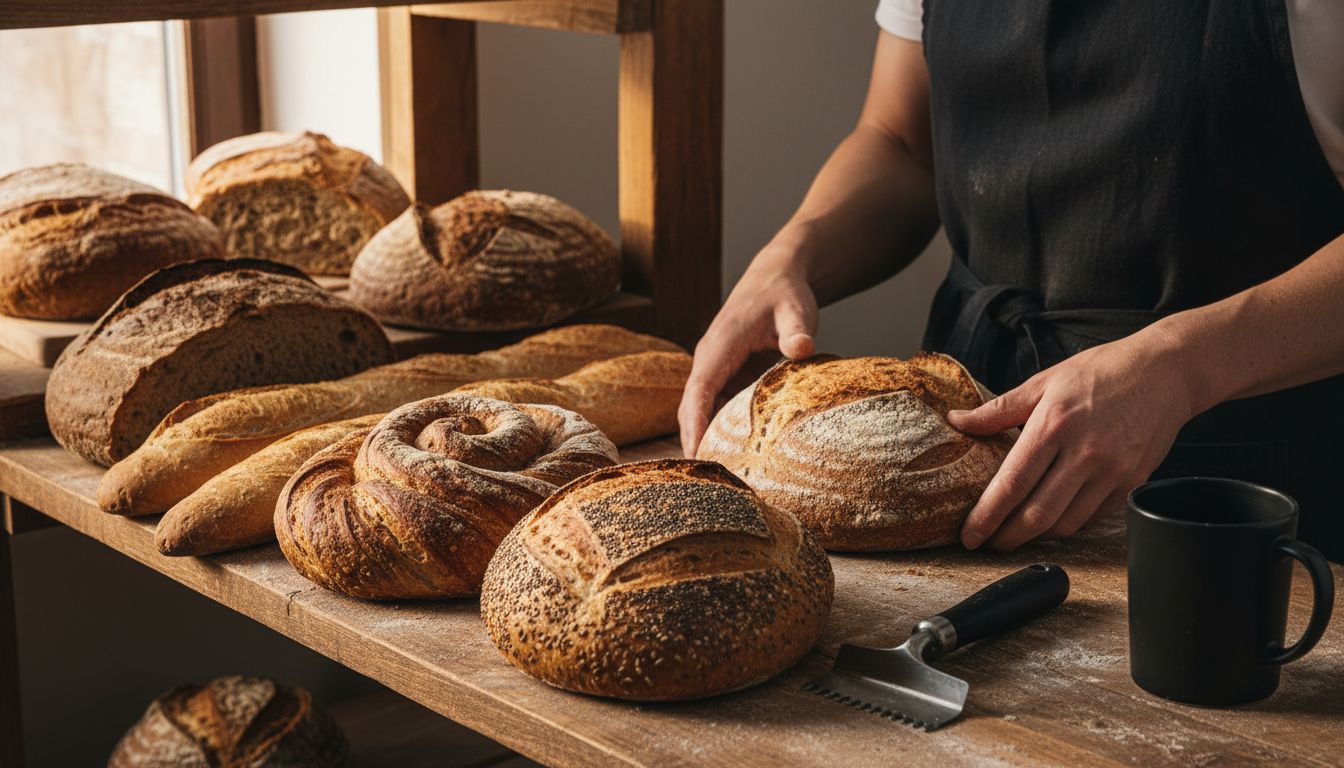
There's no single "sourdough bread". Depending on the flour and technique, you can get very different products:
🍞 White sourdough bread
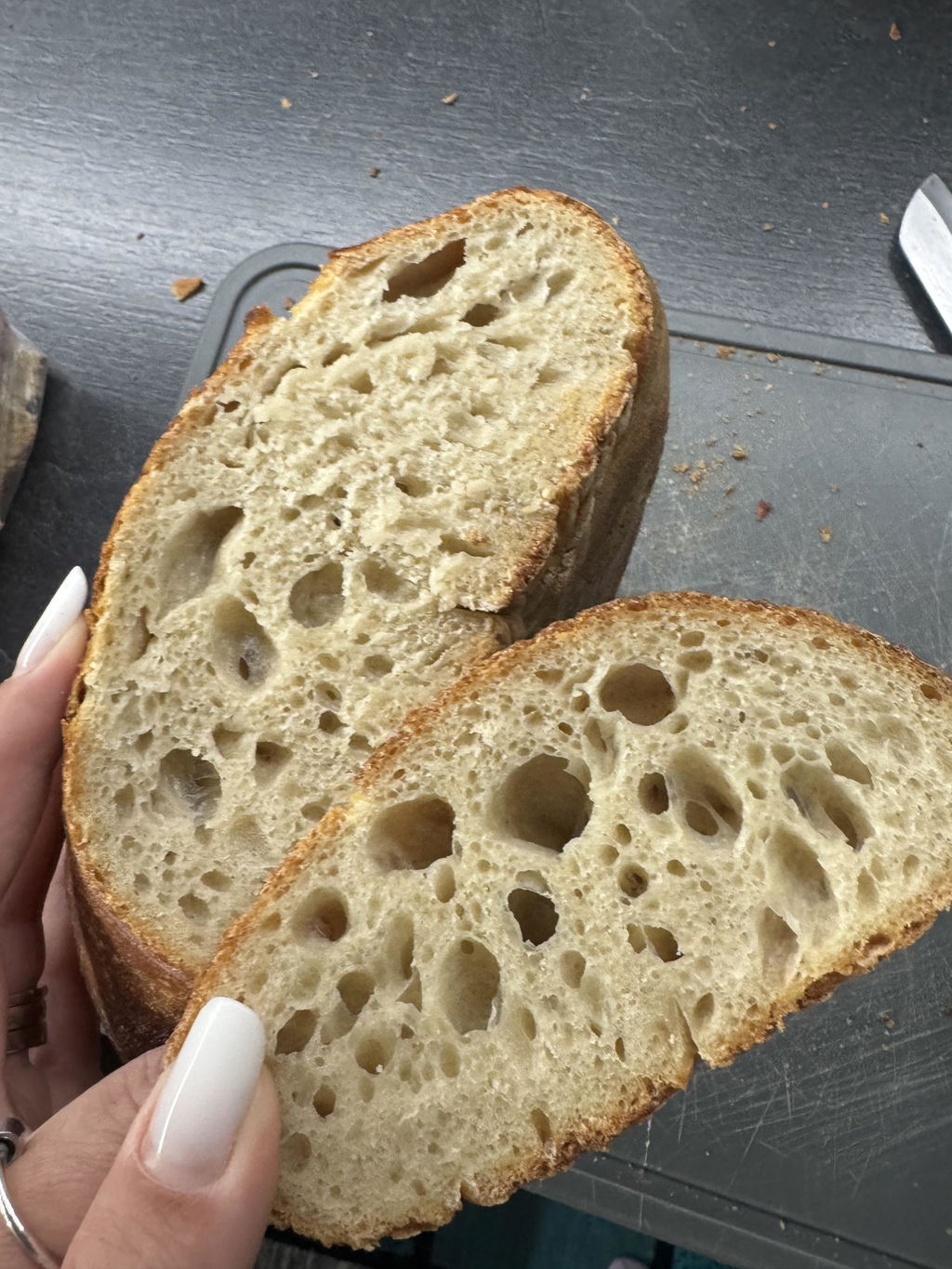
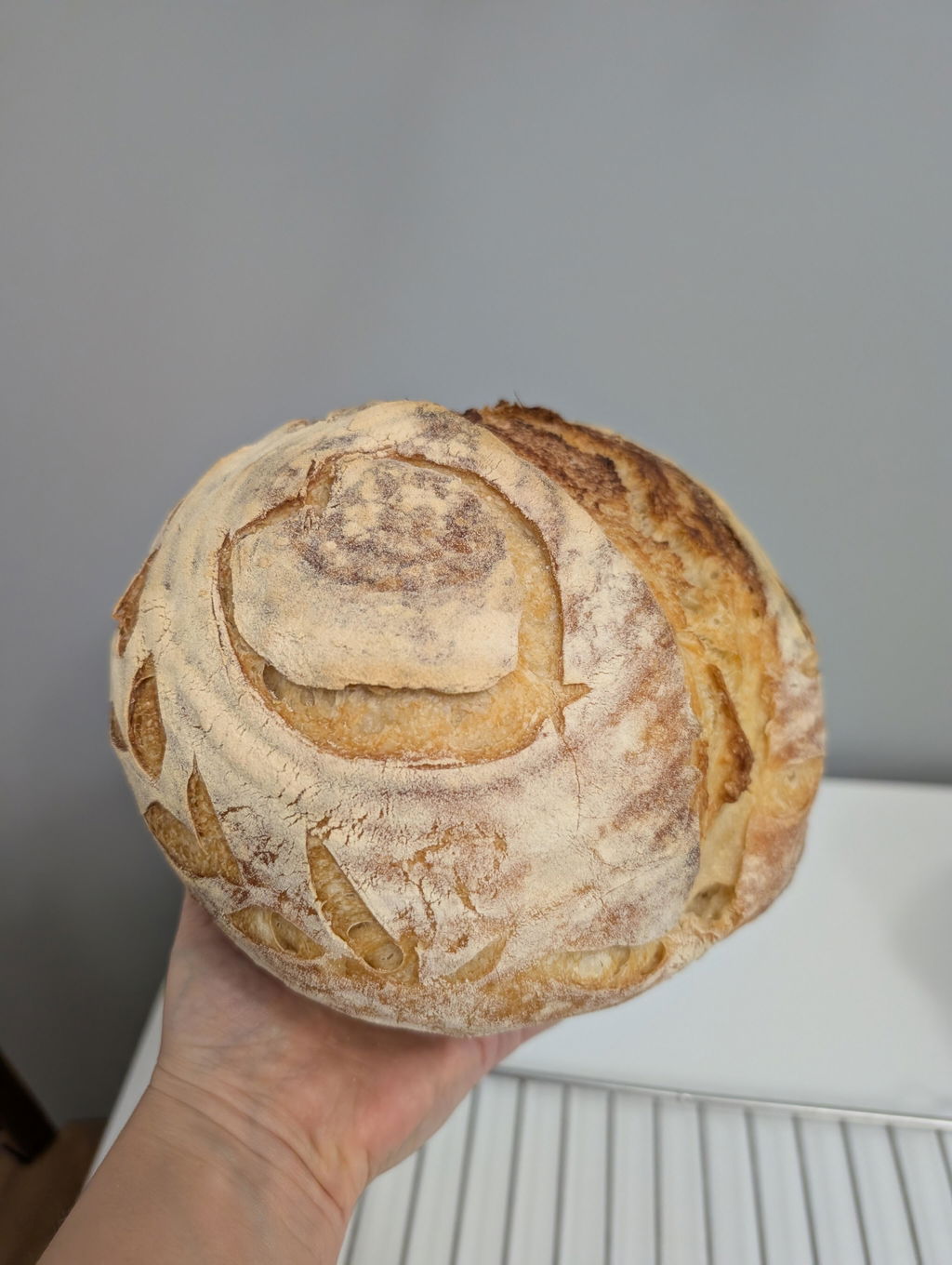
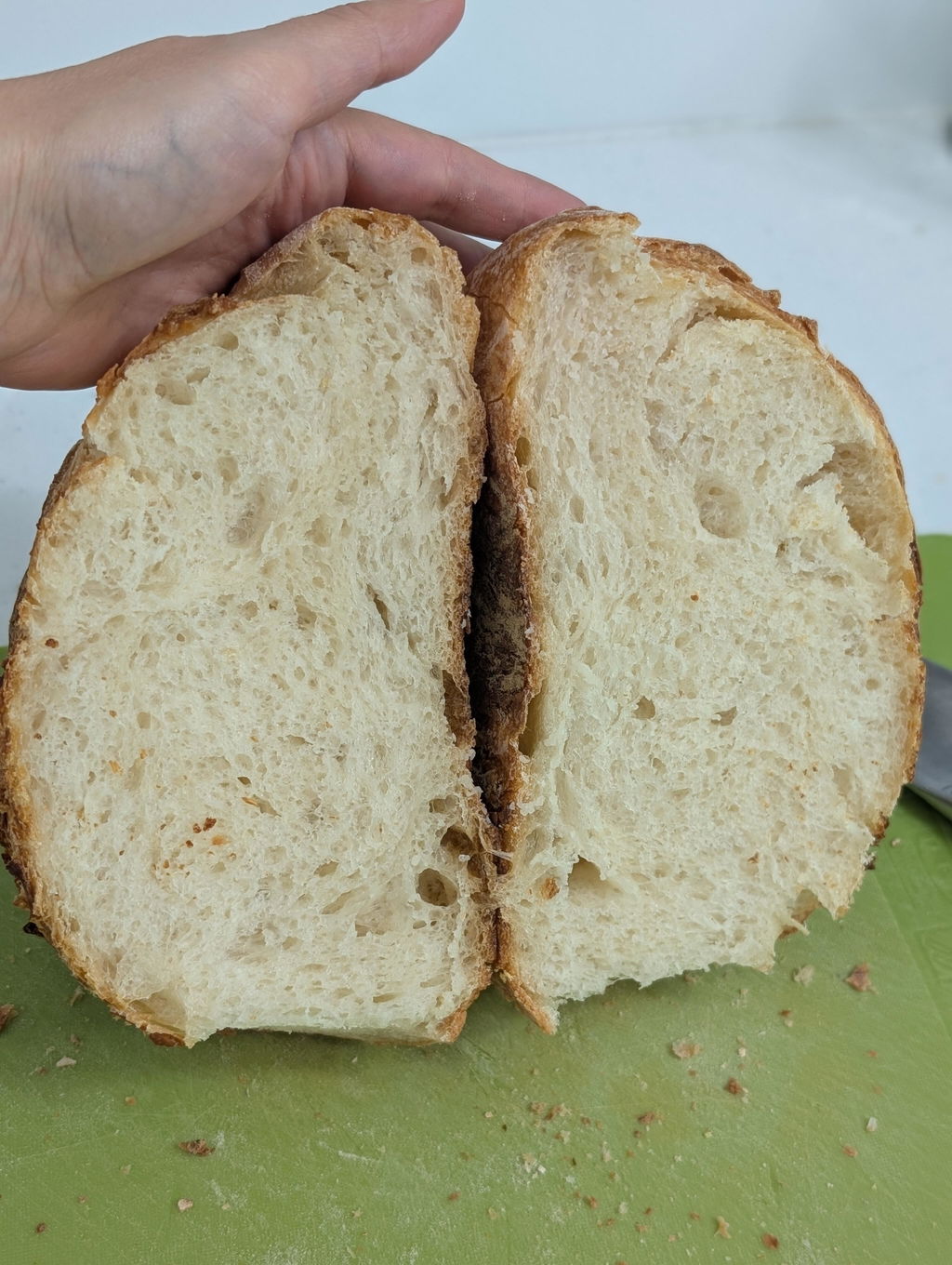
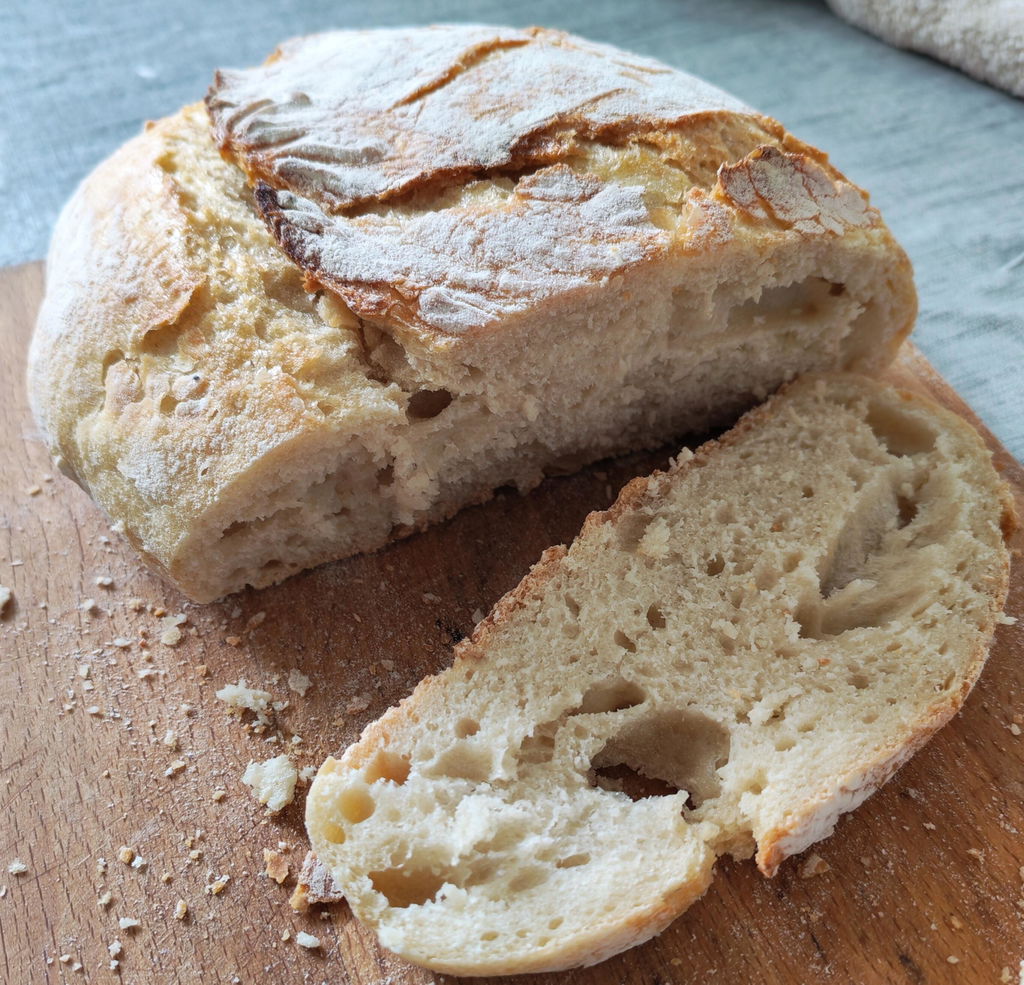
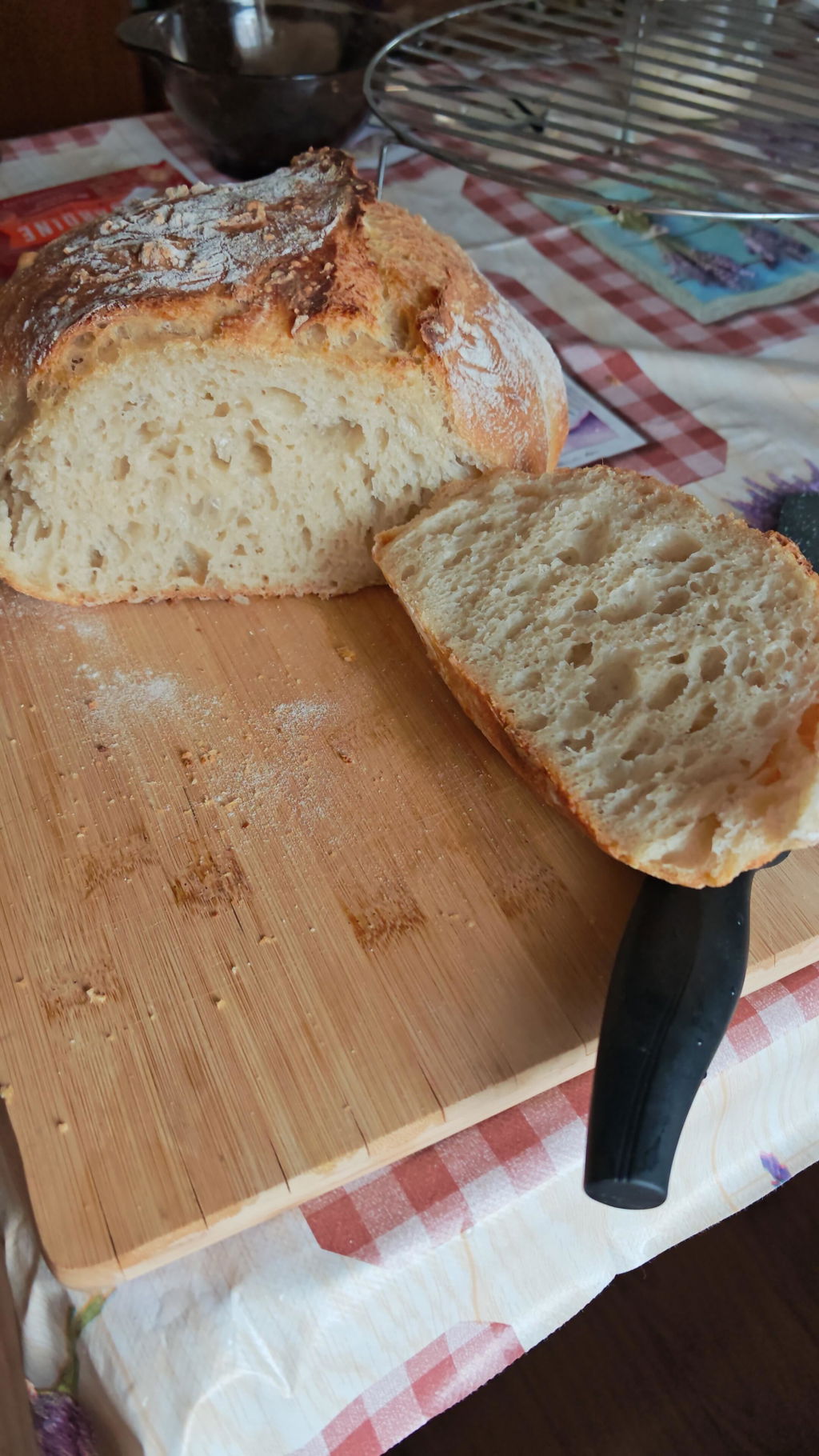
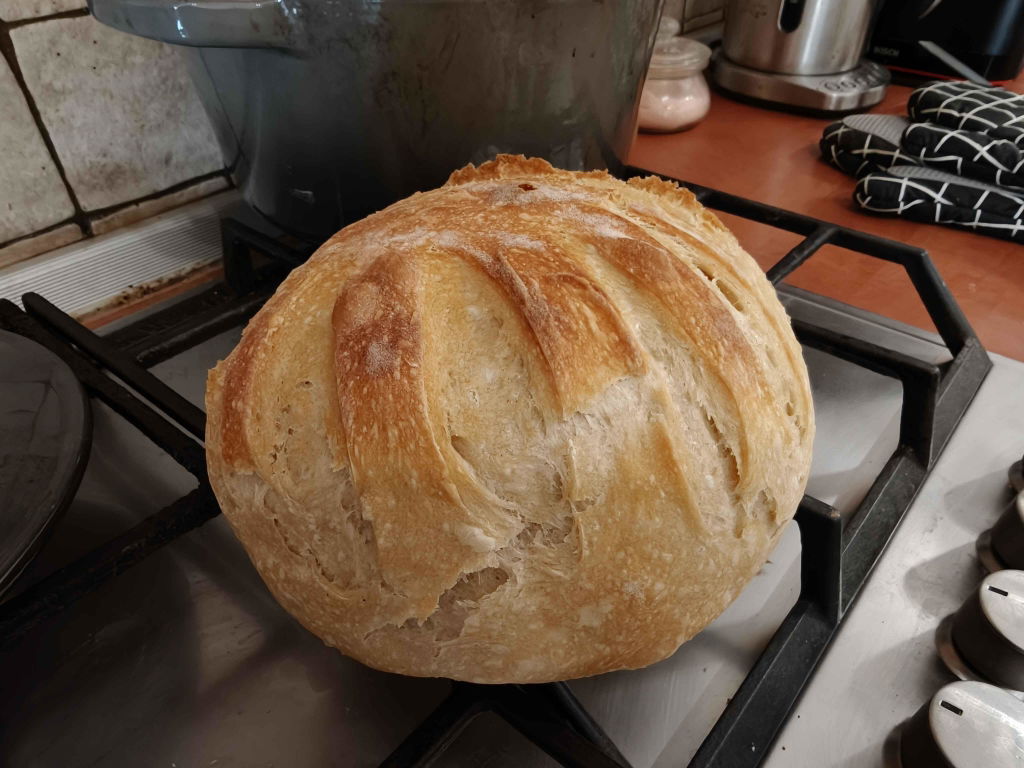
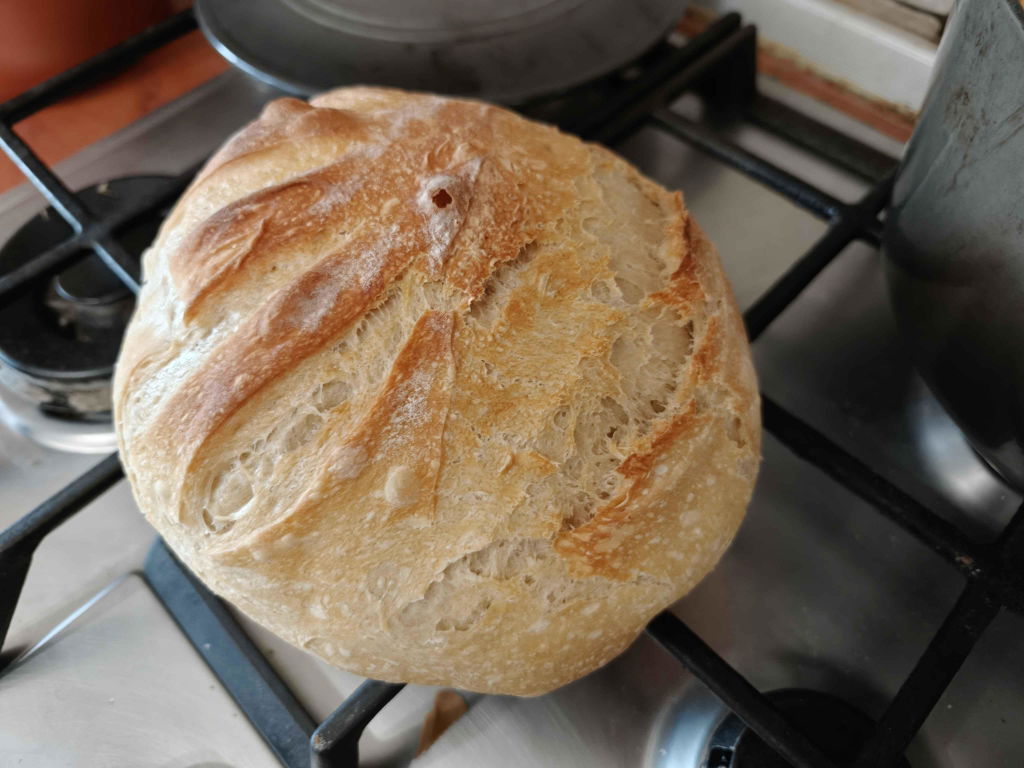
Made with white flour (type 550-650). Light texture, thin crust, airy crumb. The most beginner-friendly and best for those who want a milder flavor.
🌾 Whole wheat sourdough bread
Made with whole wheat flour (whole grain). Denser texture, stronger flavor, more fiber. Ideal for those who want the most nutrients.
🌿 Rye sourdough bread
Typical of Northern Europe. Strong flavor, distinctive aroma, very dense. Not for everyone, but loved by connoisseurs.
🥖 Sourdough bread with grains and seeds
A base of white or whole wheat bread, enriched with seeds (flax, sunflower, pumpkin) or grains (oats, millet). Adds texture and nutritional value.
Sourdough vs. Store-Bought Bread
Let's be clear: not all bread is the same. Here are the concrete differences:
🌾 Sourdough bread
- Fermentation: 12-24 hours
- Ingredients: flour, water, salt, sourdough starter
- Gluten partially broken down
- Glycemic index: ~54
- Keeps: 4-5 days
- Flavor: complex, layered
- Additives: none
🏭 Store-bought bread
- Fermentation: 1-2 hours
- Ingredients: flour, water, salt, yeast + additives
- Gluten intact
- Glycemic index: ~75
- Keeps: 1-2 days (or months, with preservatives)
- Flavor: uniform, simple
- Additives: emulsifiers, improvers, preservatives
Watch out for "sourdough bread" at the supermarket: Many products labeled "with sourdough" actually contain only a small amount of sourdough (for flavor), but are made with quick yeast. Check the ingredient list — if you see "yeast," it's not real sourdough bread.
How to Choose (Or Make) a Real Sourdough Bread
If you're buying:
- Check the ingredients: It should contain only flour, water, salt, and sourdough/starter. No yeast, no additives.
- Ask about fermentation: A real sourdough loaf ferments for at least 8-12 hours.
- Look for artisan bakeries: Supermarkets rarely have real sourdough bread.
If you're making it at home:
- You need a starter: Grow one yourself (7-14 days) or buy one that's already active (3-4 days until the first loaf).
- Follow a simple recipe: Your first loaf doesn't need to be complicated.
- Be patient: Fermentation takes 12-24 hours, but active work time is only 20-30 minutes.
"I thought it was complicated to make bread at home. With the ready starter and the guide I got, I made my first loaf in 4 days. Now I make 2-3 a week and don't buy bread from the store anymore." — Mihai, 52
Want to make sourdough bread at home?
Our Maia Fermentată starter has been around since 1916 and activates in 3 days. You get an illustrated guide + WhatsApp support until your first successful loaf.
In Short
Sourdough bread isn't just "more traditional" or "more trendy." It's chemically different — and those differences matter:
- Digestion: Gluten and irritants are broken down
- Blood sugar: Blood sugar rises more slowly and less sharply
- Nutrients: Minerals become available to the body
- Shelf life: 4-5 days without additives
- Flavor: Complex, layered, impossible to replicate with quick yeast
Worth trying? Absolutely. Whether you buy it from an artisan bakery or make it at home — you can taste the difference from the first slice.
Frequently Asked Questions
Why is sourdough bread healthier?
Long fermentation (12-24 hours) breaks down gluten and substances that irritate the gut, releases minerals locked in the flour, and produces beneficial compounds for the gut flora. The result: bread that's easier to digest, with a lower glycemic index.
Can I eat sourdough bread if I have digestive issues?
Many people with gluten sensitivity or irritable bowel syndrome tolerate sourdough bread well. Fermentation reduces gluten and FODMAPs. Exception: If you have celiac disease, sourdough is NOT safe — gluten is not completely removed.
How long does sourdough bread keep?
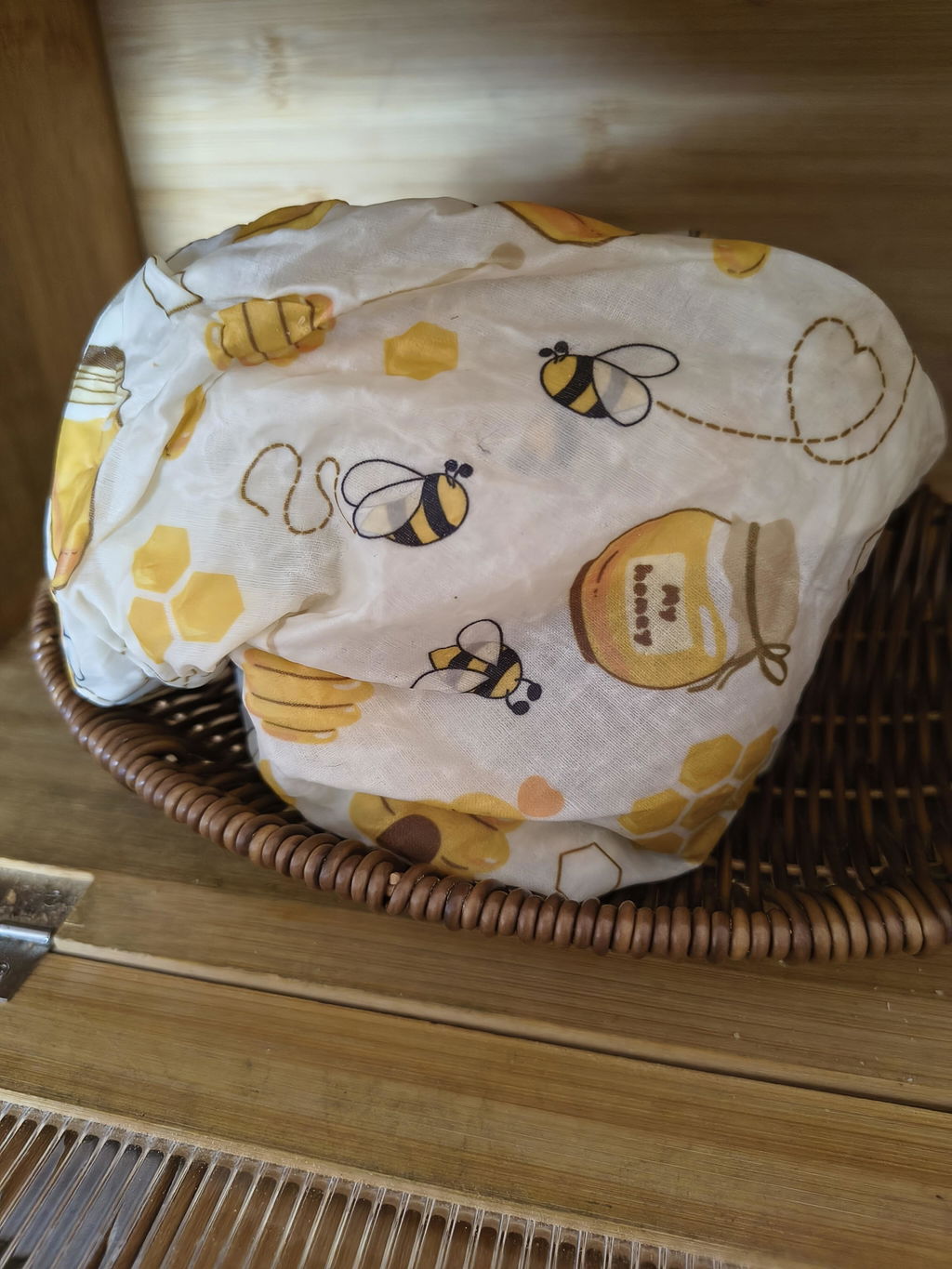
4-5 days at room temperature, in a cloth bag or paper bag. Don't put it in a plastic bag — it will go soft. After 3-4 days, it toasts beautifully.
Is sourdough bread good for diabetics?
It has a lower glycemic index (~54 vs ~75), so it releases energy more slowly. This helps keep blood sugar more stable. Still, consult your doctor for personalized advice.
How do I recognize real sourdough bread?
Check the ingredients: only flour, water, salt, and sourdough/starter. If you see "yeast" on the list, it's not real sourdough bread — it's yeast bread flavored with sourdough (for taste). Ask the baker about fermentation time — it should be at least 8-12 hours.
Is it hard to make sourdough bread at home?
It's not hard, but it does require patience. Active work time is 20-30 minutes — the rest is waiting. With a ready-active starter and a simple recipe, you can make your first loaf in 3-4 days from when you start.