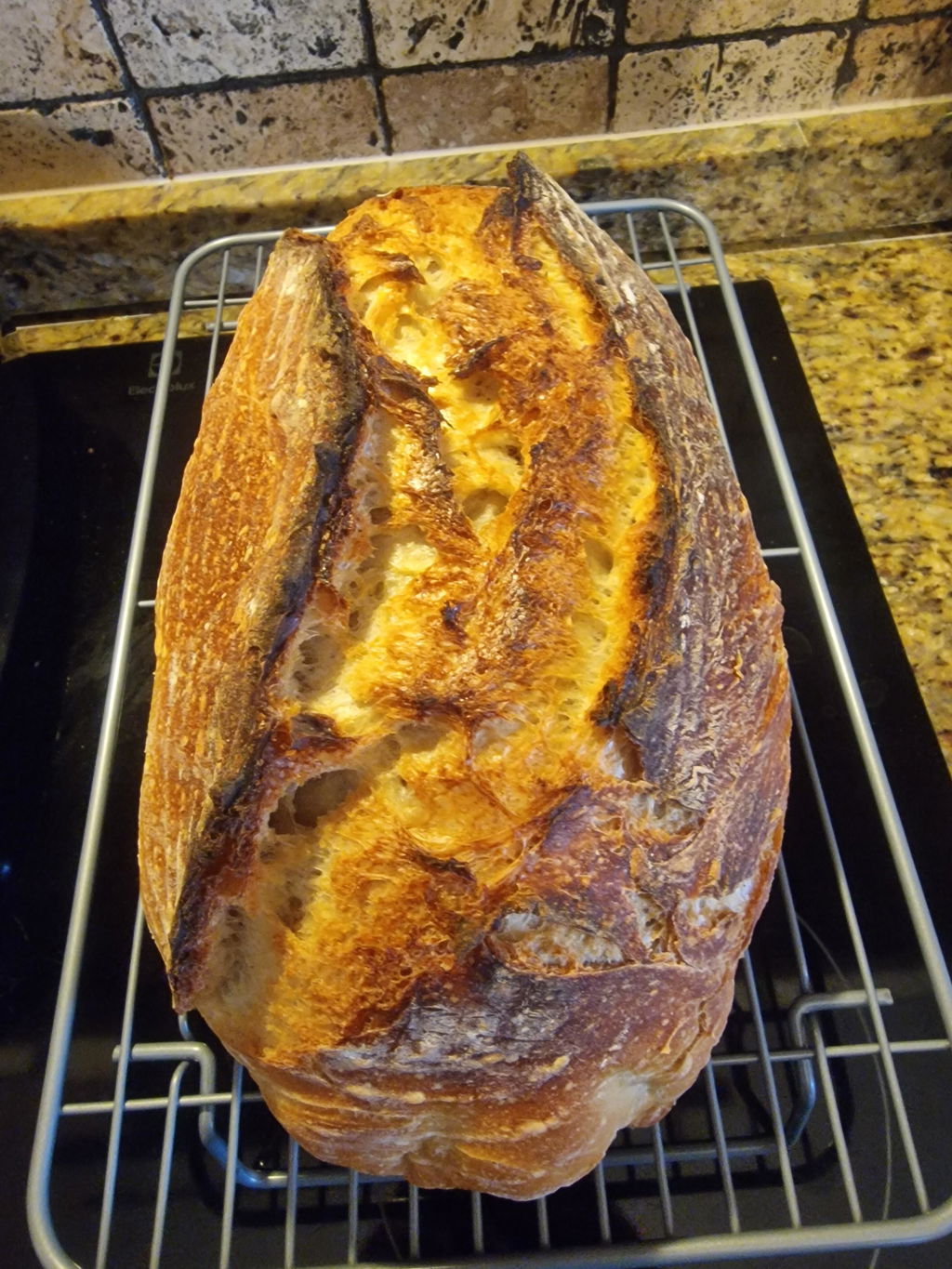
Why Experiment with Sourdough: 5 Reasons That Will Convince You
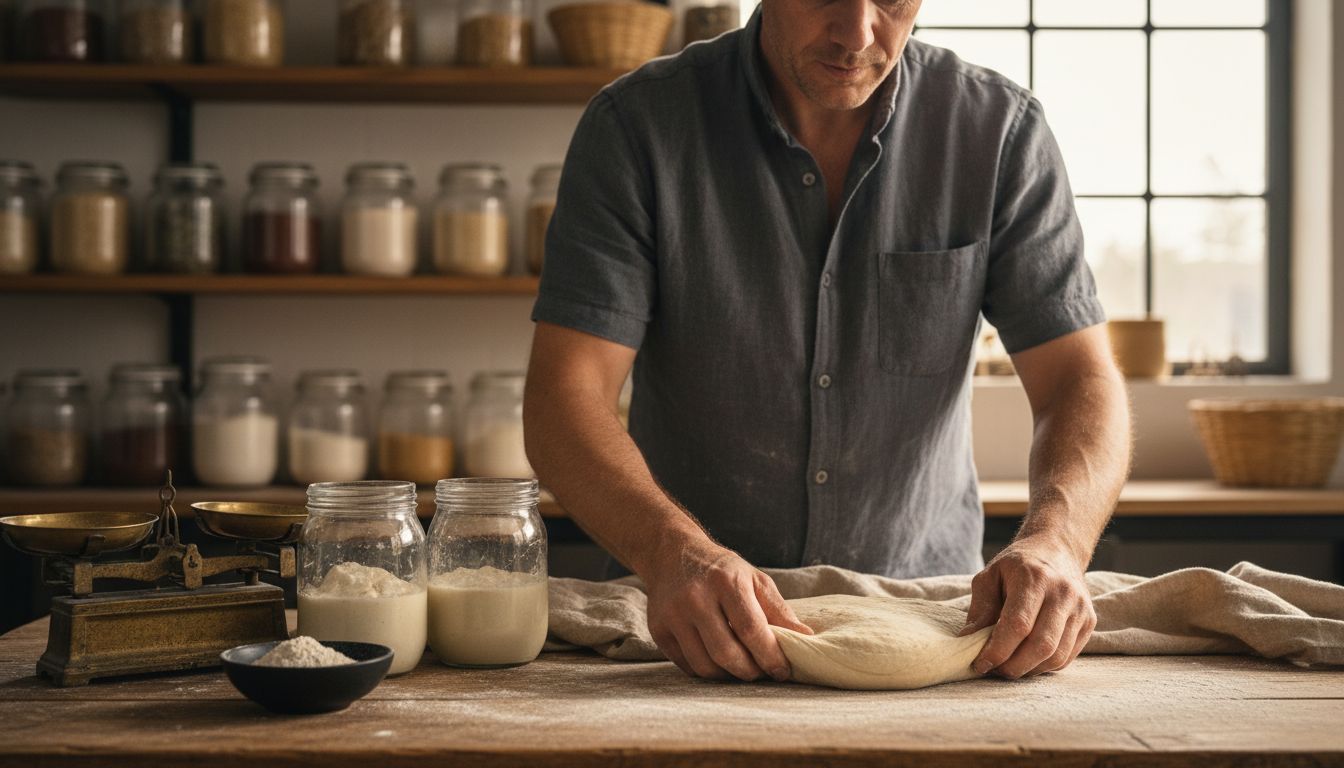
You’ve heard of sourdough bread. Maybe you’ve seen it on Instagram, maybe someone told you about it. But you’re wondering: is it worth all the effort?
Short answer: yes. But not for the reasons you expect.
It’s not just about "healthier bread" or "better taste" — although those are true too. It’s about something deeper: the satisfaction of creating something alive with your own hands, from a process thousands of years old.
In this guide, I’ll explain exactly why you should try it, what types of sourdough there are, and how to get started without overcomplicating it.
📋 In brief: Why experiment with sourdough
- Unbeatable flavor — nuances that yeast can’t produce
- Better digestion — fermentation breaks down gluten and irritating substances
- Keeps longer — 4-5 days without preservatives
- Full control — you know exactly what’s in your bread
- Personal satisfaction — it’s a hobby that gives you something tangible back
Table of Contents
- What it means to experiment with sourdough
- 5 reasons to try it (with concrete examples)
- Types of sourdough: which one is right for you
- Sourdough vs. yeast: the real differences
- How to get started (without overcomplicating it)
- Frequently asked questions
What It Means To Experiment With Sourdough
Making sourdough bread isn’t like following a cake recipe. You can’t just add the ingredients, set a timer, and walk away.
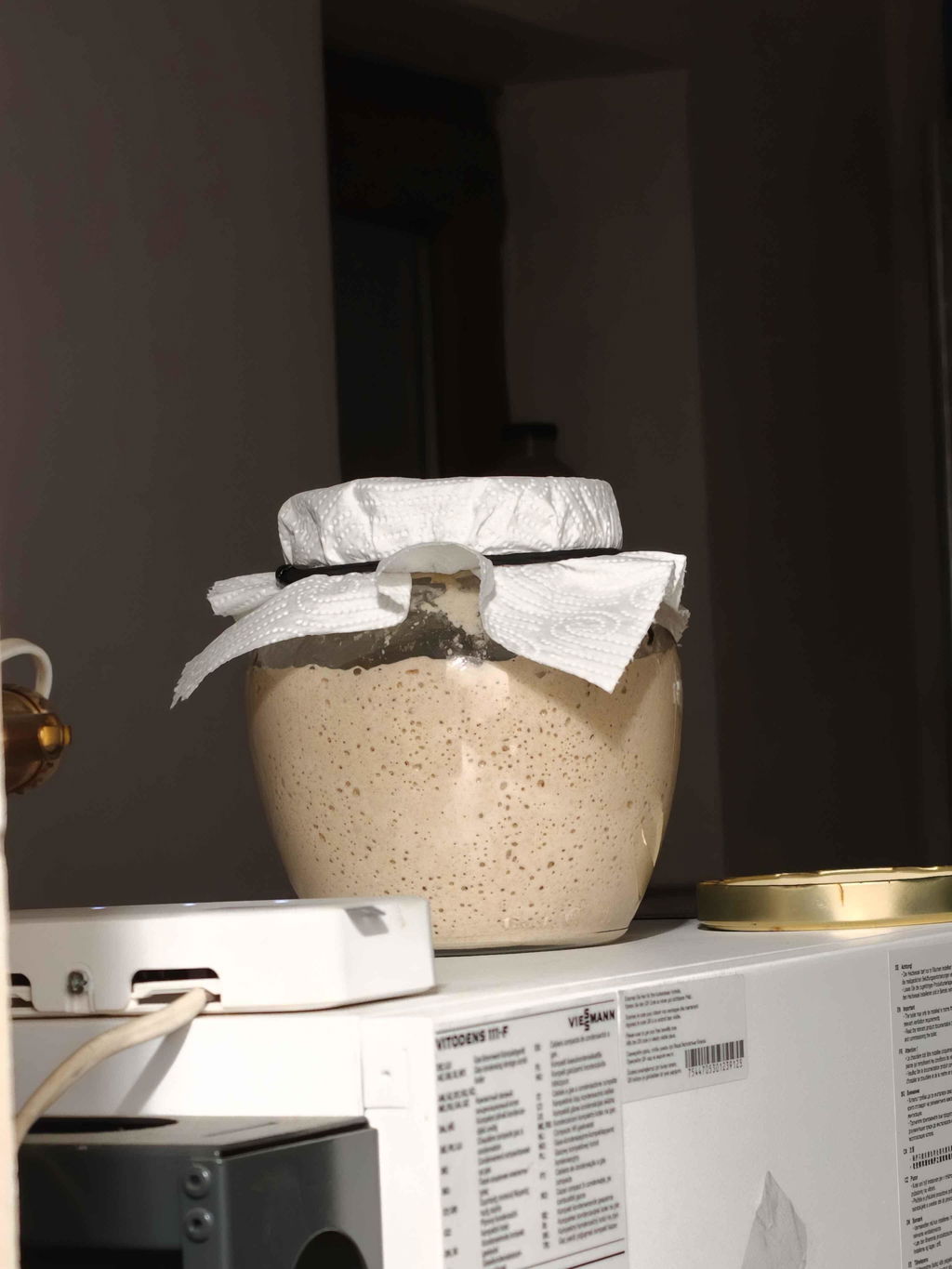
Sourdough is a living organism — an ecosystem of wild yeasts and bacteria that ferments the flour. You have to feed it, watch it, and learn to "read" its signals.
Sounds complicated? It isn’t. But it does require patience and attention.
Here’s what it means in practice:
- Observe — what does the starter look like? How much has it risen? What does it smell like?
- Adjust — room temperature, amount of water, proofing time
- Learn — every loaf teaches you something new
- Experiment — different flours, different shapes, different techniques
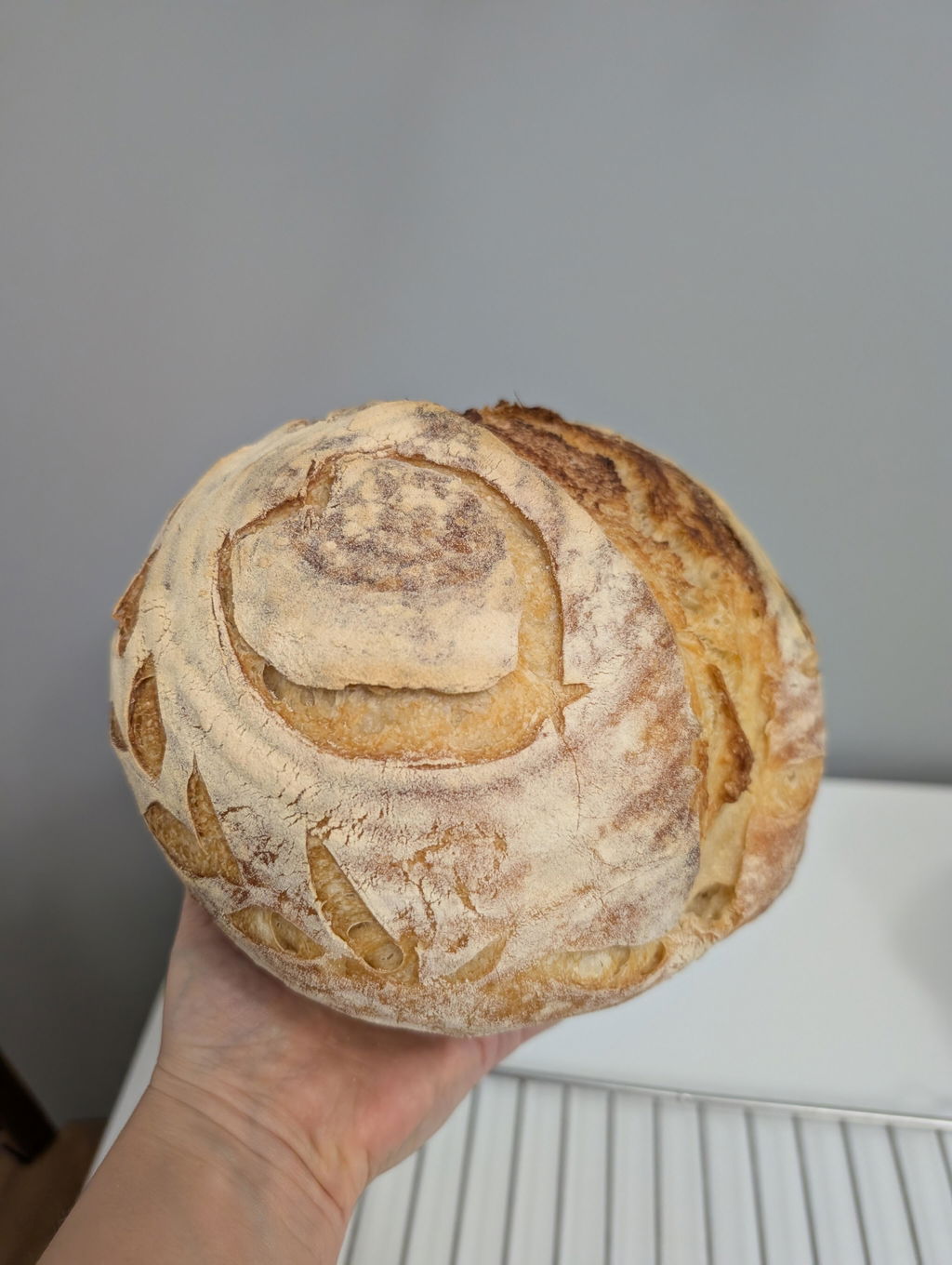
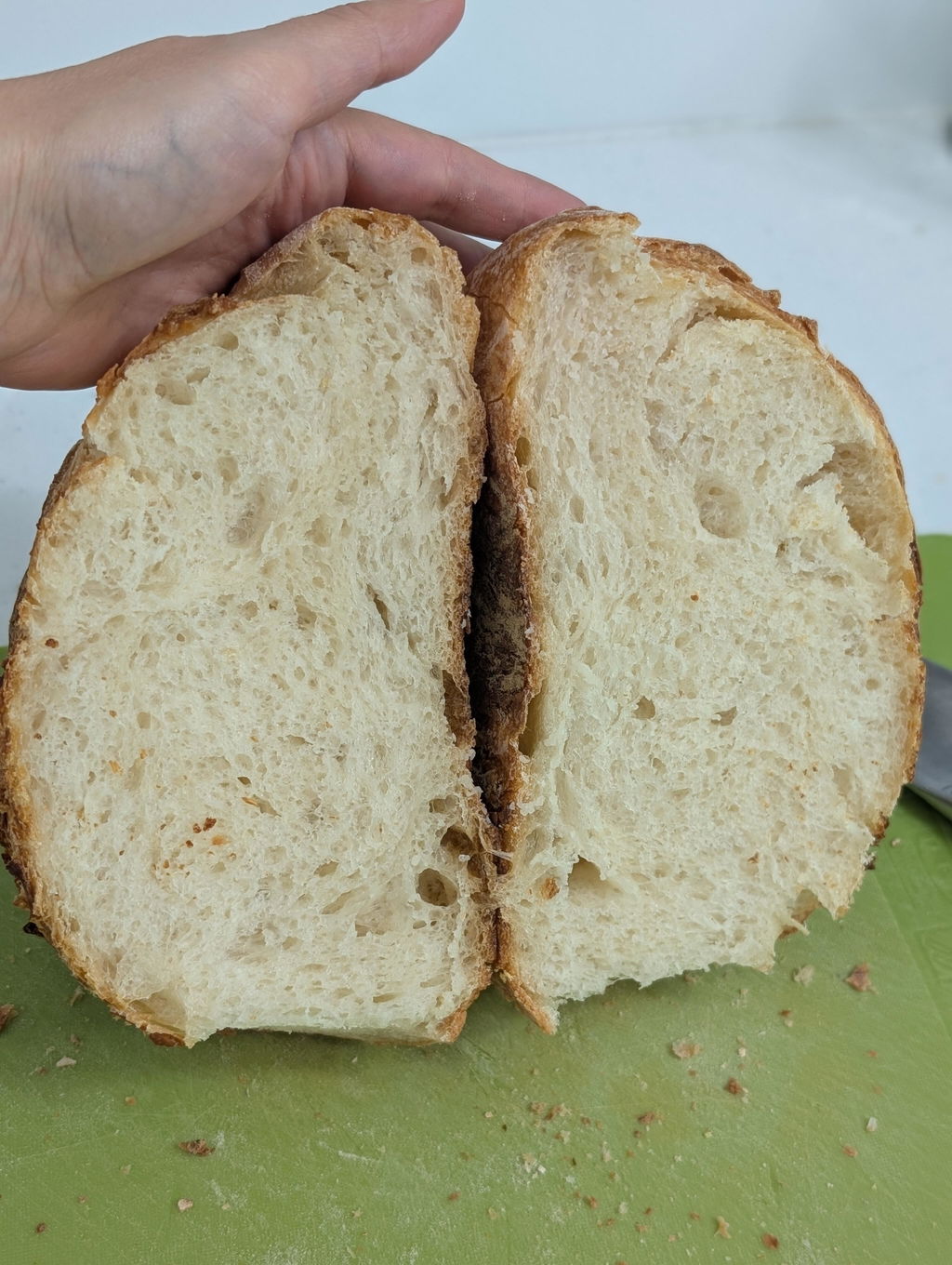
It’s an iterative process. The first loaf probably won’t be perfect. The third will be good. The tenth will be excellent.
"I made 4 bad loaves before I understood what was happening. The fifth turned out amazing. Now I make them with my eyes closed." — Dan, 47, Maia Fermentată customer
5 Reasons To Try It (With Concrete Examples)
1. Flavor you won’t find in stores
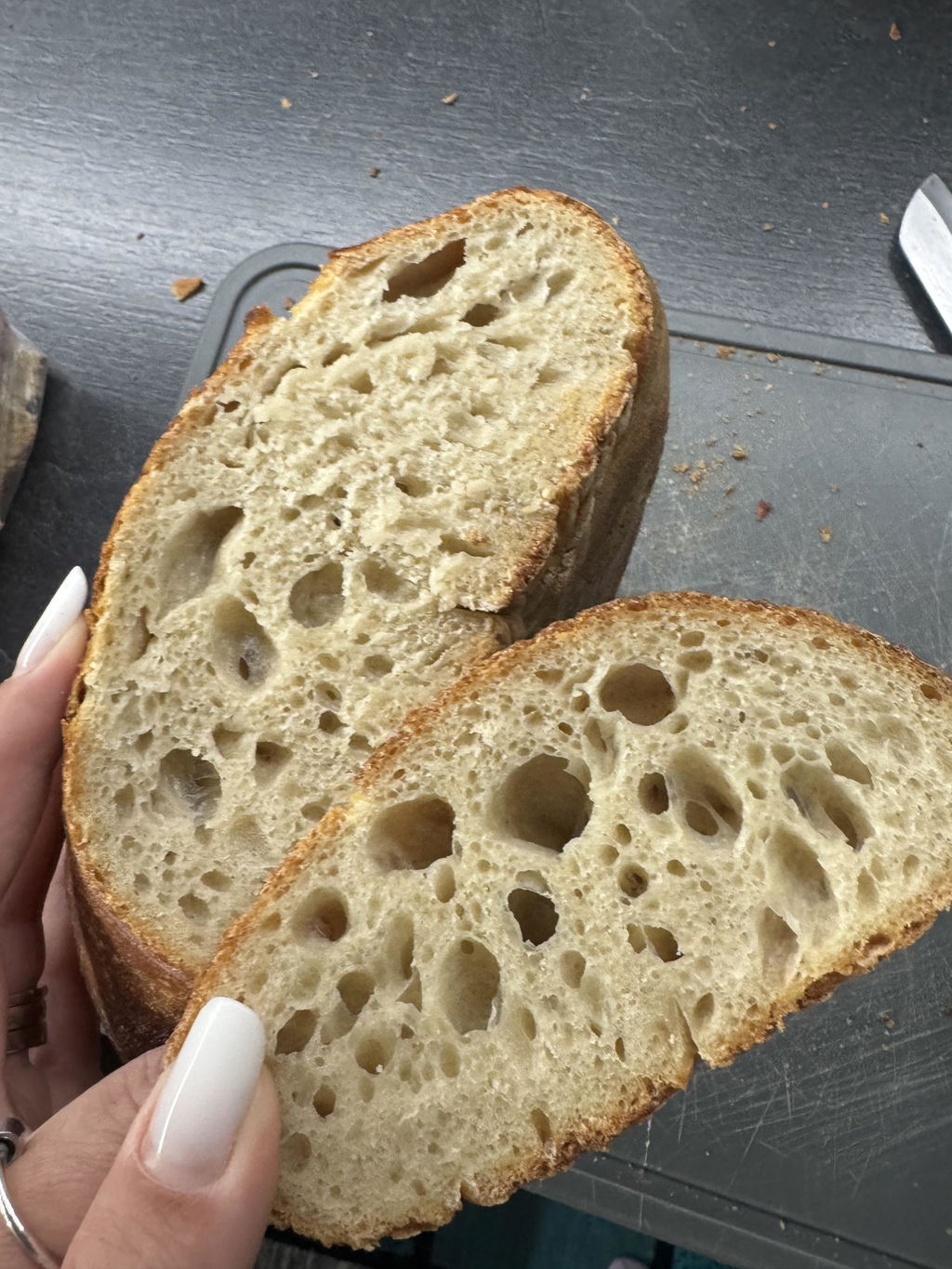
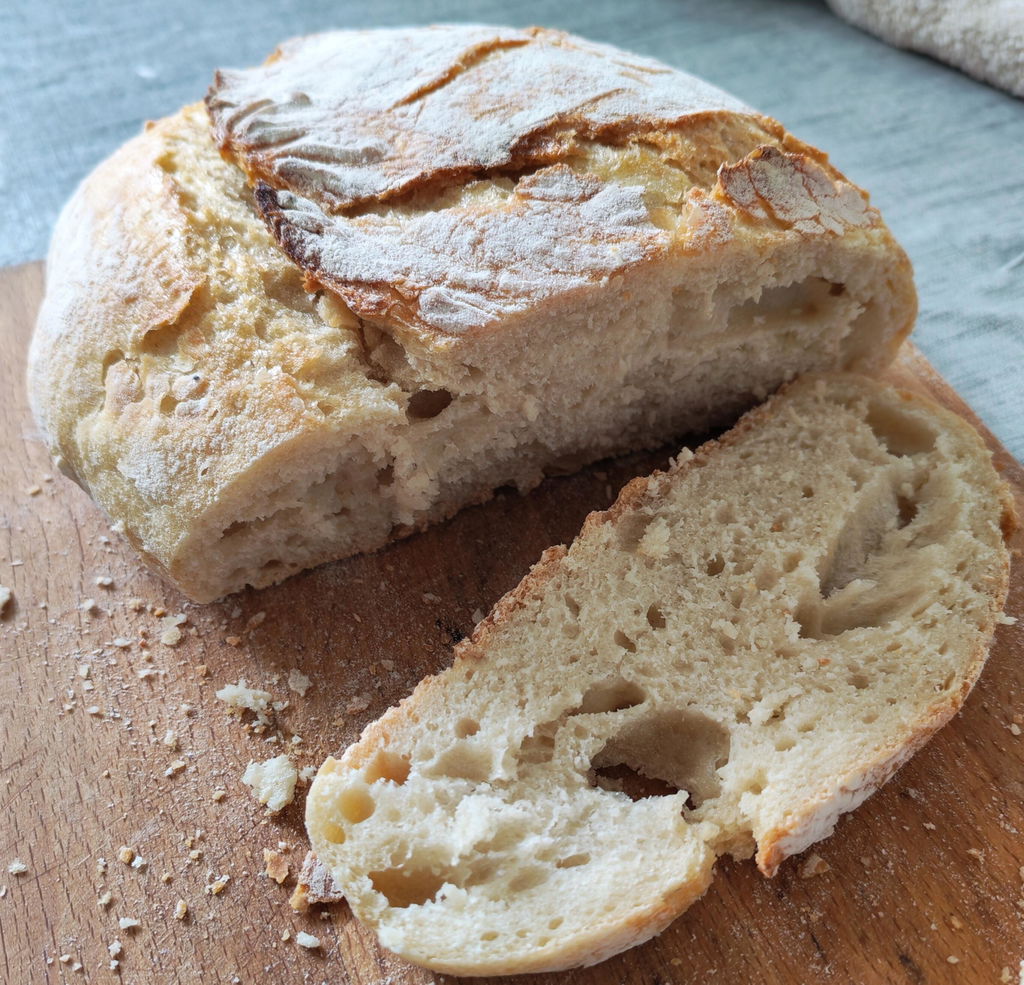
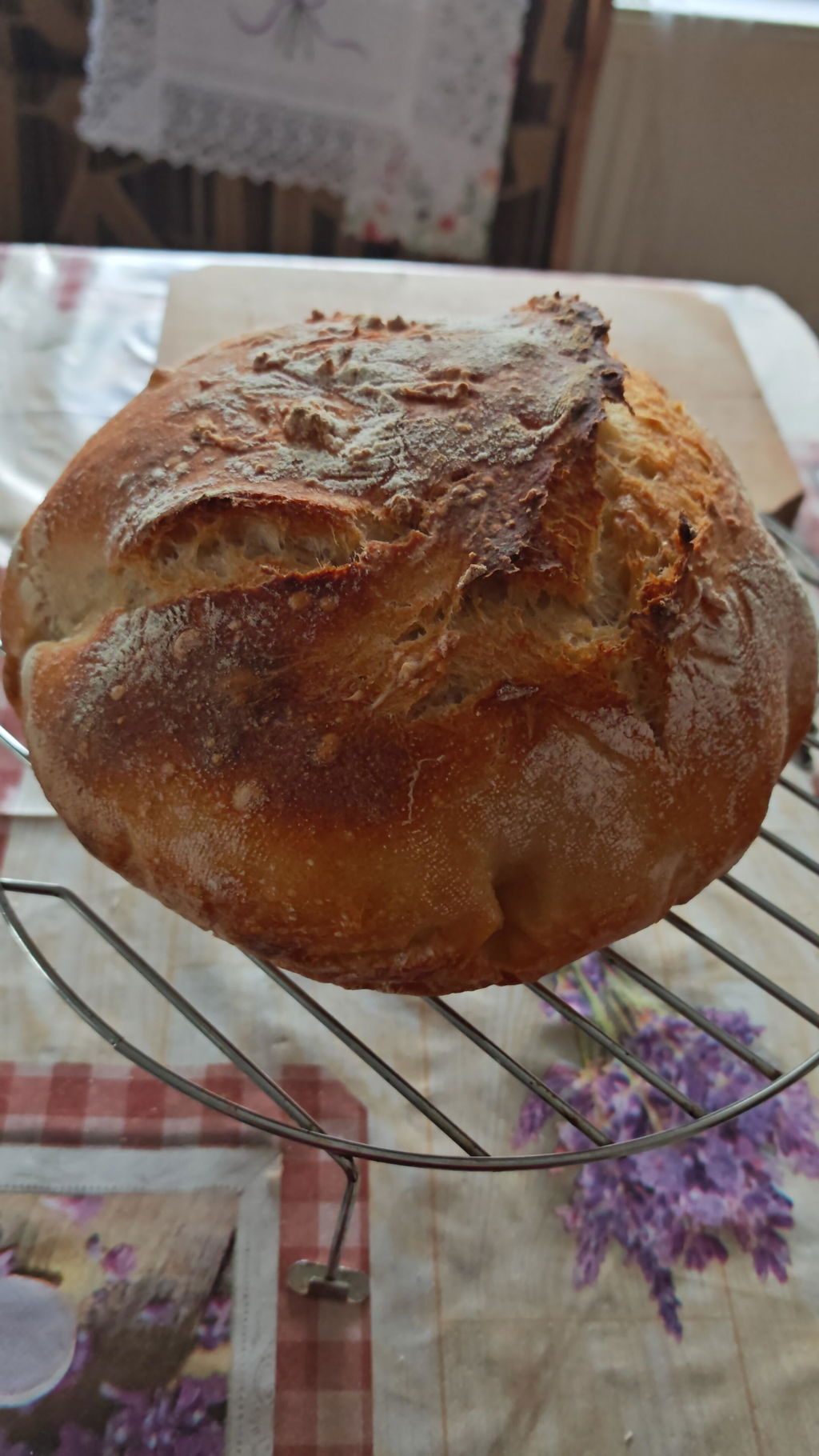
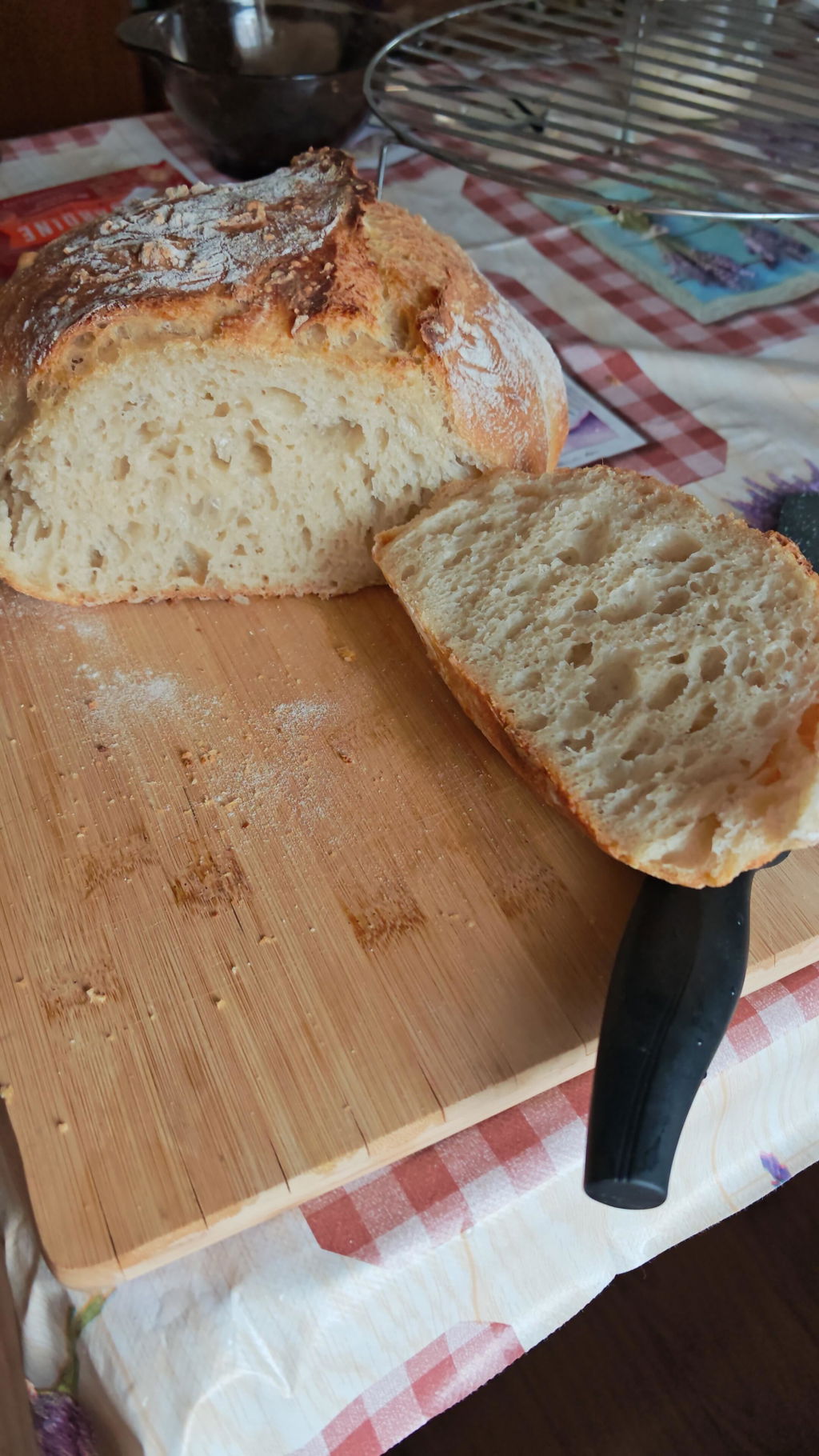
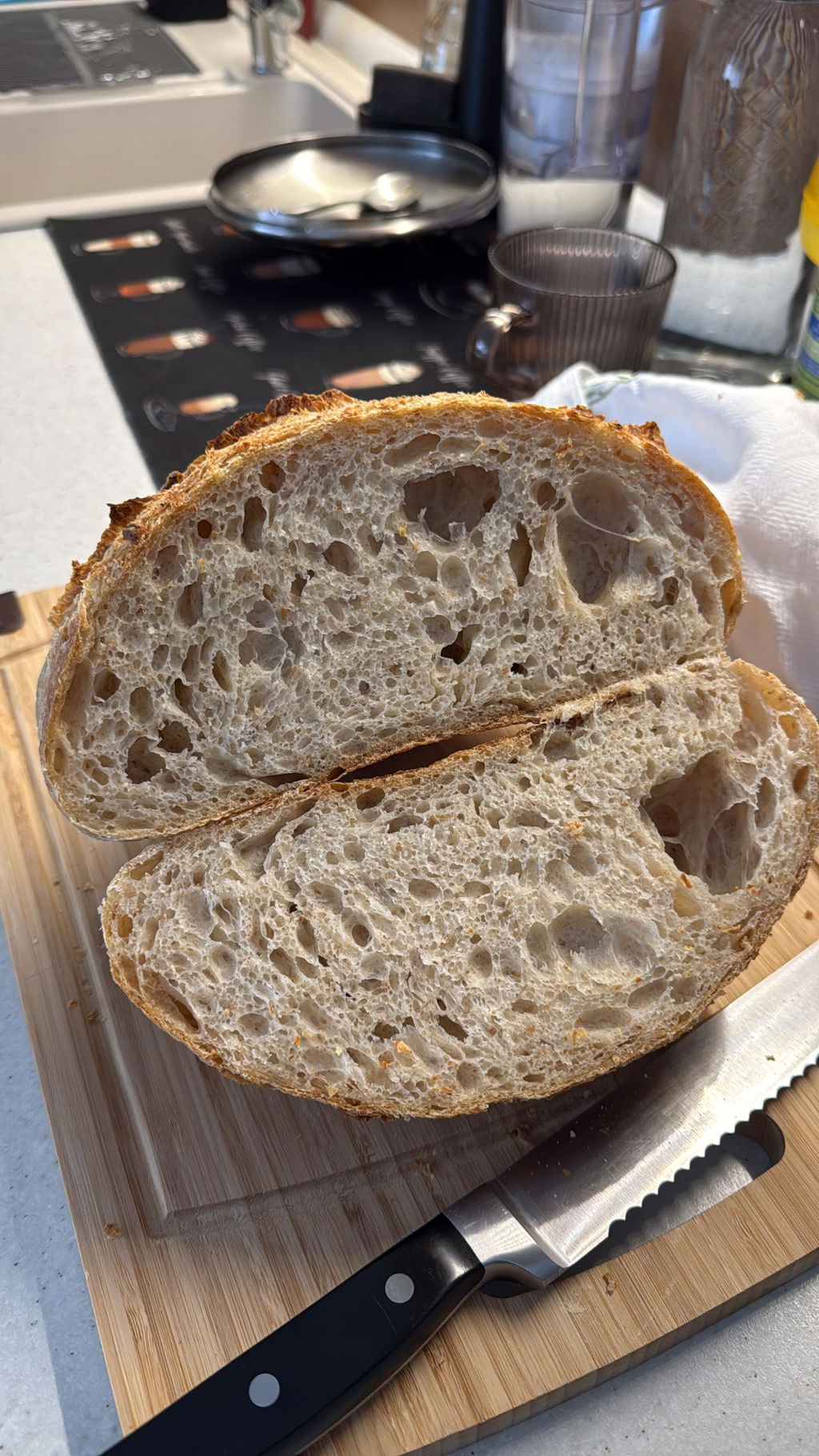
Sourdough bread has a complex flavor — slightly tangy, with nutty, sometimes fruity notes. It’s hard to describe until you taste it.
Why? The long fermentation (12-24 hours) produces hundreds of aromatic compounds that commercial yeast (1-2 hours) doesn’t have time to create.
Simple experiment: Put a slice of sourdough next to one made with yeast. Close your eyes and taste them one by one. The difference is obvious.
2. Easier to digest
Many people who "can’t tolerate bread" digest sourdough without problems. Why?
- Fermentation partially breaks down gluten
- Reduces FODMAPs (sugars that cause bloating)
- Deactivates phytates (substances that block mineral absorption)
Studies show that sourdough fermentation can reduce gluten by up to 90%.
3. Keeps longer (without preservatives)
Yeast bread goes stale in 1-2 days. Sourdough? 4-5 days at room temperature, without molding.
The secret: the natural acidity produced by lactic acid bacteria inhibits mold growth. It’s a natural preservative, with no additives.
4. You know exactly what you’re eating
Your bread contains: flour, water, salt, sourdough starter. That’s it.
Compare that with the ingredient list on a supermarket loaf: emulsifiers, dough conditioners, preservatives, yeast, sugar...
When you make bread at home, you have full control. You can choose organic flour, whole wheat flour, rye flour — whatever you want.
5. The satisfaction of creating something real
In a world where everything is digital and instant, making sourdough bread is an almost meditative act.
You mix, wait, observe, shape. And in the end you have something concrete — something you created yourself, with your own hands, from a process thousands of years old.
It’s hard to explain until you experience it. But many say it is surprisingly satisfying.
Types Of Sourdough: Which One Is Right For You
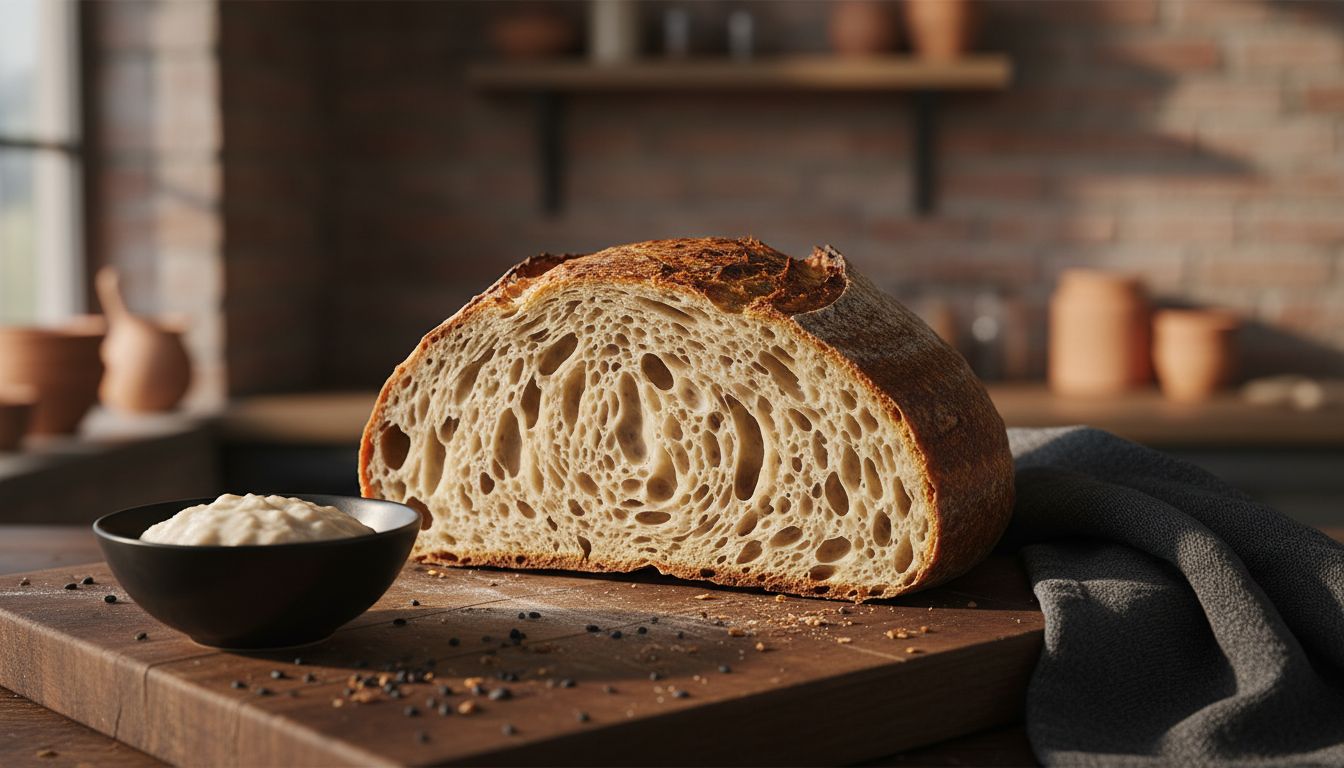
There isn’t just one "type" of sourdough. Depending on how you maintain it, it can have different consistencies and properties.
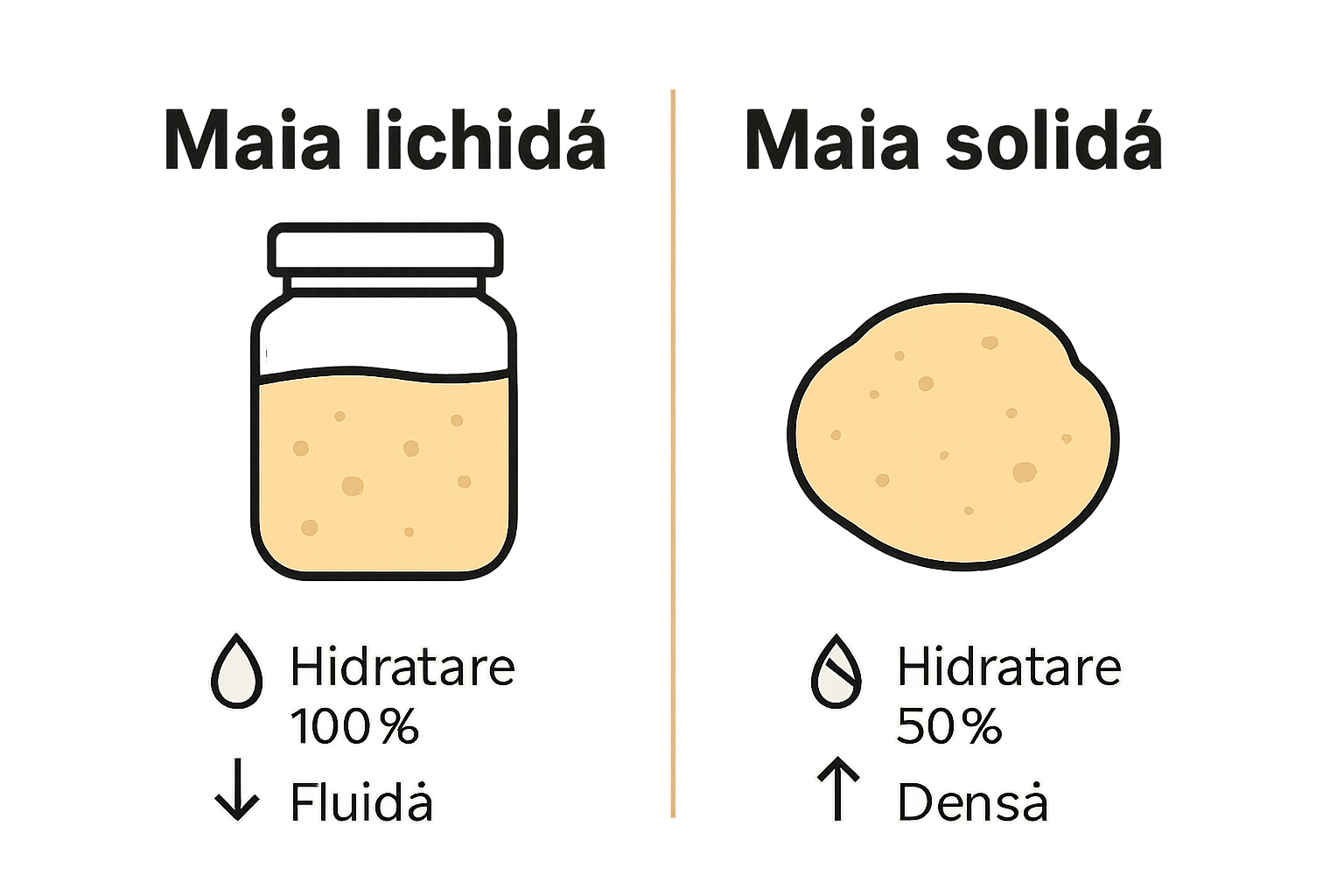
🥣 Liquid sourdough (100%+ hydration)
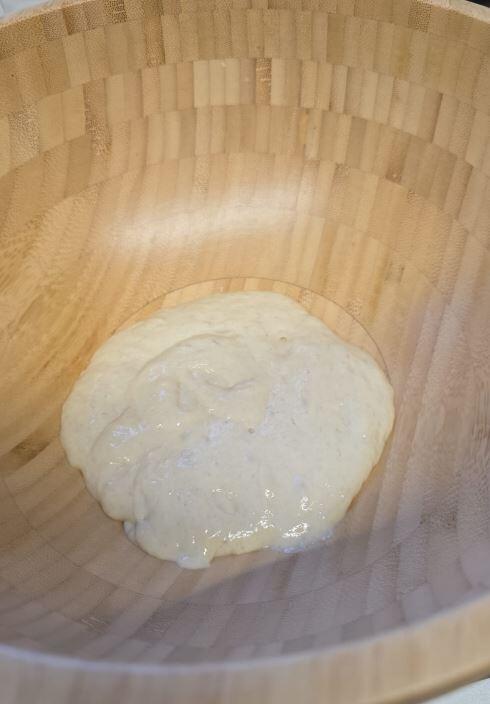
What it is: Equal parts flour and water. The consistency of pancake batter.
Advantages: Easy to mix, ferments faster, milder flavor.
Disadvantages: Needs feeding more often, gets used up faster.
For whom: Beginners, those who bake frequently (2-3 times/week).
🍞 Firm sourdough (50-60% hydration)
What it is: More flour than water. The consistency of bread dough.
Advantages: Keeps longer, ferments more slowly, more complex flavor.
Disadvantages: Harder to mix, requires more experience.
For whom: Experienced bakers, those who want more control.
📦 Dry sourdough
What it is: Dehydrated sourdough that can be stored for months.
Advantages: Long shelf life, easy to transport, guaranteed activation.
Disadvantages: Requires 3-4 days to reactivate.
For whom: Beginners, those who don’t have time to maintain an active starter daily, travelers.
Sourdough vs. Yeast: The Real Differences
Let’s be clear: yeast makes bread too. But the differences are significant.
🌾 Sourdough bread
- Fermentation: 12-24 hours
- Dozens of yeast species + bacteria
- Partially broken-down gluten
- Glycemic index: ~54
- Complex, nuanced flavor
- Keeps 4-5 days
- Zero additives
🍞 Yeast bread
- Fermentation: 1-2 hours
- A single yeast strain
- Intact gluten
- Glycemic index: ~75
- Uniform, simple flavor
- Dries out in 1-2 days
- Often with dough conditioners
Conclusion: Yeast is faster. Sourdough is better for health and flavor. It depends on what you prioritize.
See the detailed comparison here →
How To Get Started (Without Overcomplicating It)
You have two options:
Option 1: Grow your own starter from scratch
Mix flour with water and wait 7-14 days for the microorganisms to develop. It’s free, but it requires patience and experimentation. The first attempts may fail.
Option 2: Start with a ready starter
Buy dry sourdough, reactivate it in 3-4 days, and make your first loaf. Advantage: you know for sure it works, and you have support if you get stuck.
Concrete steps for beginners:
- Get a starter — either grow one yourself or buy one ready-made
- Activate it — feed it for 3-4 days until it doubles in 4-6 hours
- Make your first loaf — follow a simple beginner recipe
- Learn from mistakes — note what you did and what happened
- Repeat and adjust — each loaf brings you closer to perfection
"I put off trying it for a year because it seemed complicated. When I got the starter and the guide, I made my first loaf in 4 days. Now I regret not starting earlier." — Maria, 52
Ready to try?
Our starter Maia Fermentată comes from 1916 and activates in 3 days. You get an illustrated guide + WhatsApp support until your first successful loaf.
In Short
Experimenting with sourdough isn’t about making "healthier bread" (although that’s part of it too). It’s about:
- Reconnecting with a process thousands of years old
- Learning something new, with concrete results
- Creating something with your own hands in a digital world
- Eating bread that’s truly worth eating
You don’t have to become a professional baker. It’s enough to bake a loaf from time to time. The process itself is the reward.
And if the first one isn’t perfect? It doesn’t matter. Every loaf is a lesson. And the taste of homemade bread — even imperfect homemade bread — is incomparable to what you find in stores.
Frequently Asked Questions
Is it hard to make sourdough bread?
It’s not hard, but it does require patience. The active work time is 20-30 minutes — the rest is waiting. The process is simple: mix, wait, shape, bake. It only gets complicated if you want to optimize every detail.
How long does it take to make sourdough bread?
From dough to finished bread: 12-24 hours (but only 20-30 minutes of active work). If you start from scratch with the starter, add 7-14 days to grow it. With a ready starter, it drops to 3-4 days.
What equipment do I need?
Minimum: a bowl, a spoon, an oven. Useful: a kitchen scale (30 lei), a proofing basket (50 lei), a cast-iron pot (150-300 lei). You can start with what you have at home and add as you go.
Can I make sourdough bread if I have gluten intolerance?
It depends on the severity. If you have gluten sensitivity (not celiac disease), there’s a good chance you’ll tolerate sourdough — fermentation significantly reduces gluten. If you have celiac disease, sourdough is NOT safe — gluten is not fully removed.
How often do I need to feed the starter?
If you keep it at room temperature: once a day. If you keep it in the fridge: once a week. You can adjust based on how often you bake.
Is it worth making bread at home or should I buy it?
Financially: a sourdough loaf made at home costs 5-10 lei (flour + energy). In a store, an artisanal sourdough loaf costs 15-30 lei. But the real reason isn’t money — it’s the satisfaction, control over ingredients, and incomparable flavor.