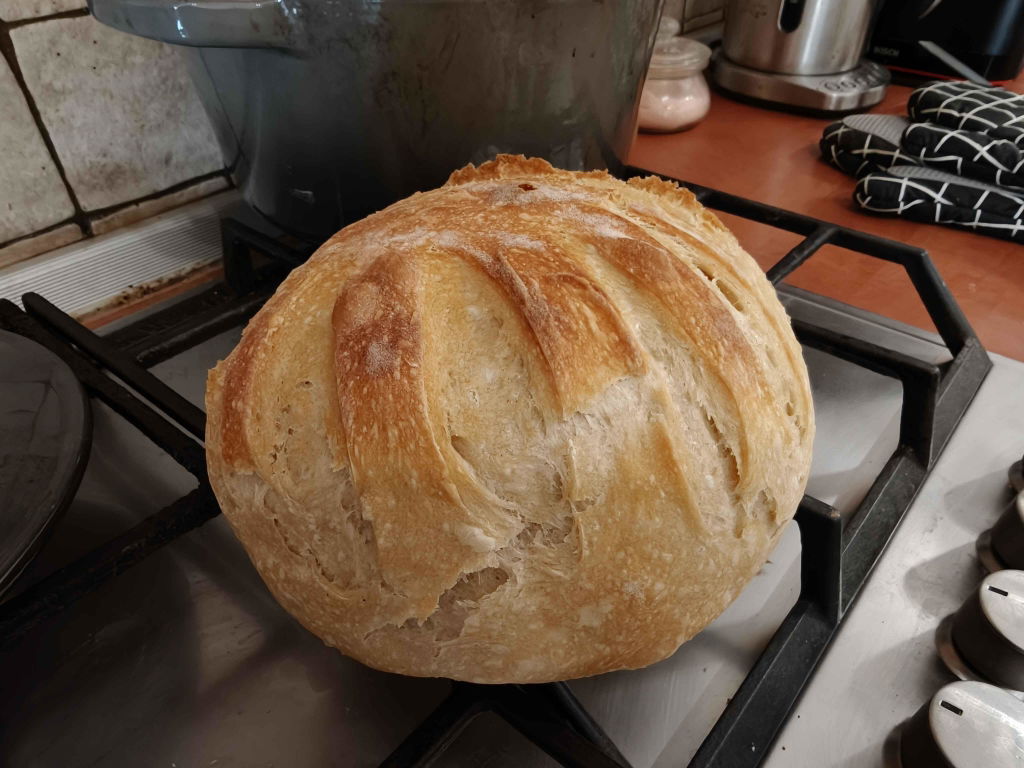
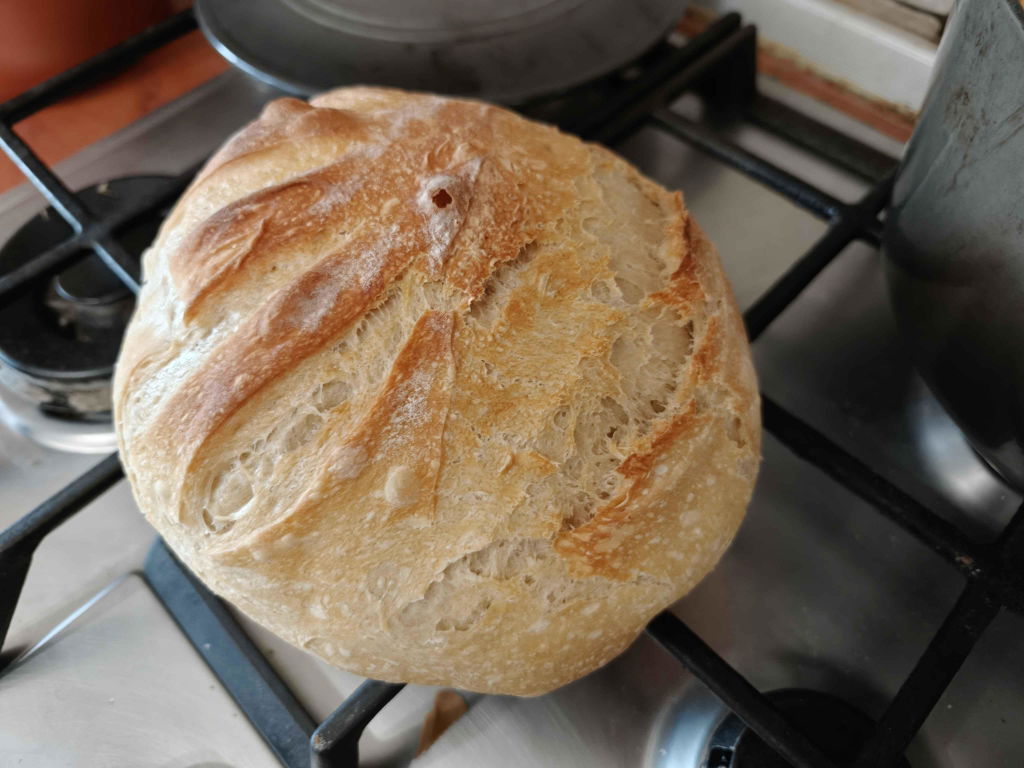
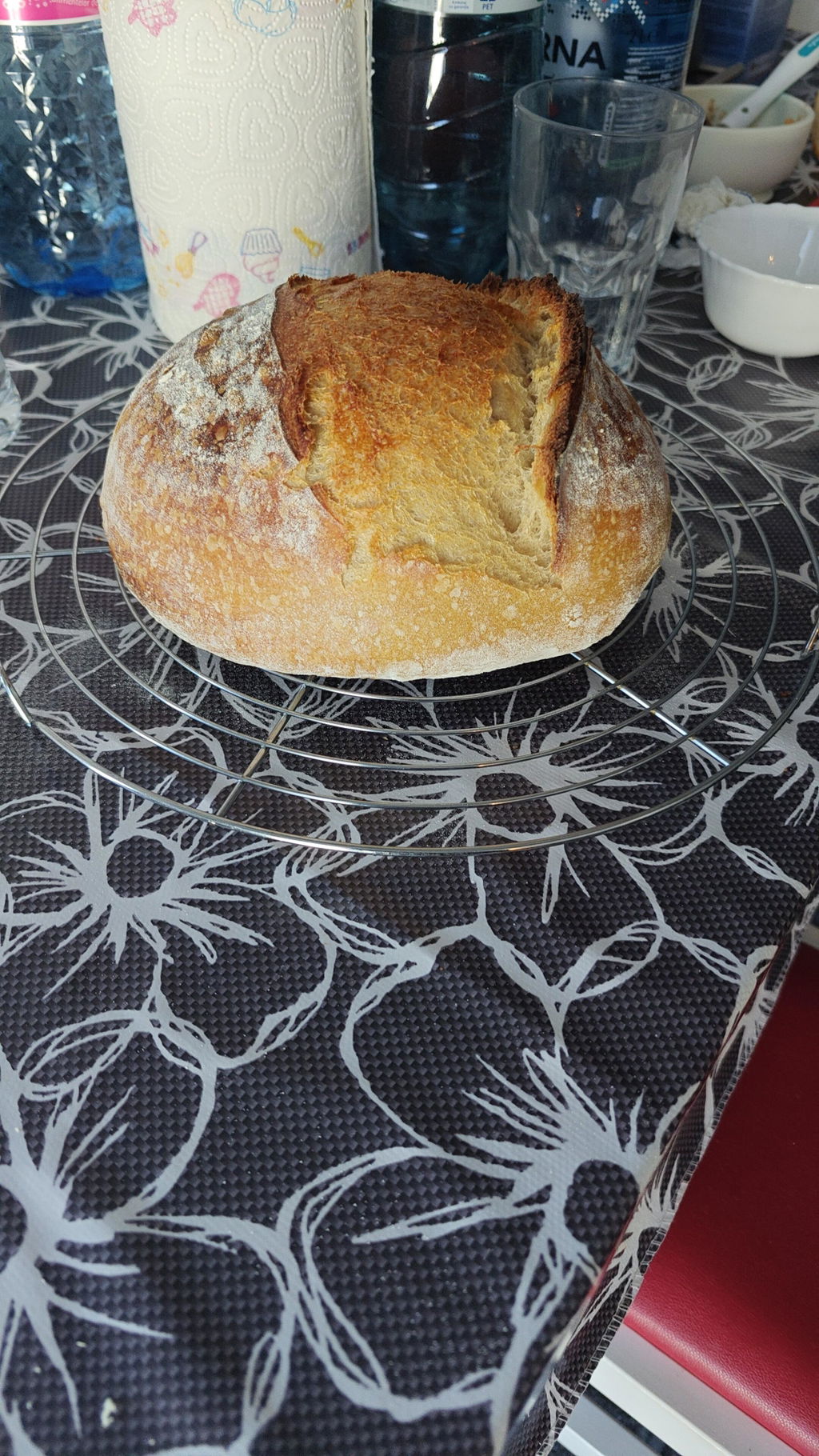
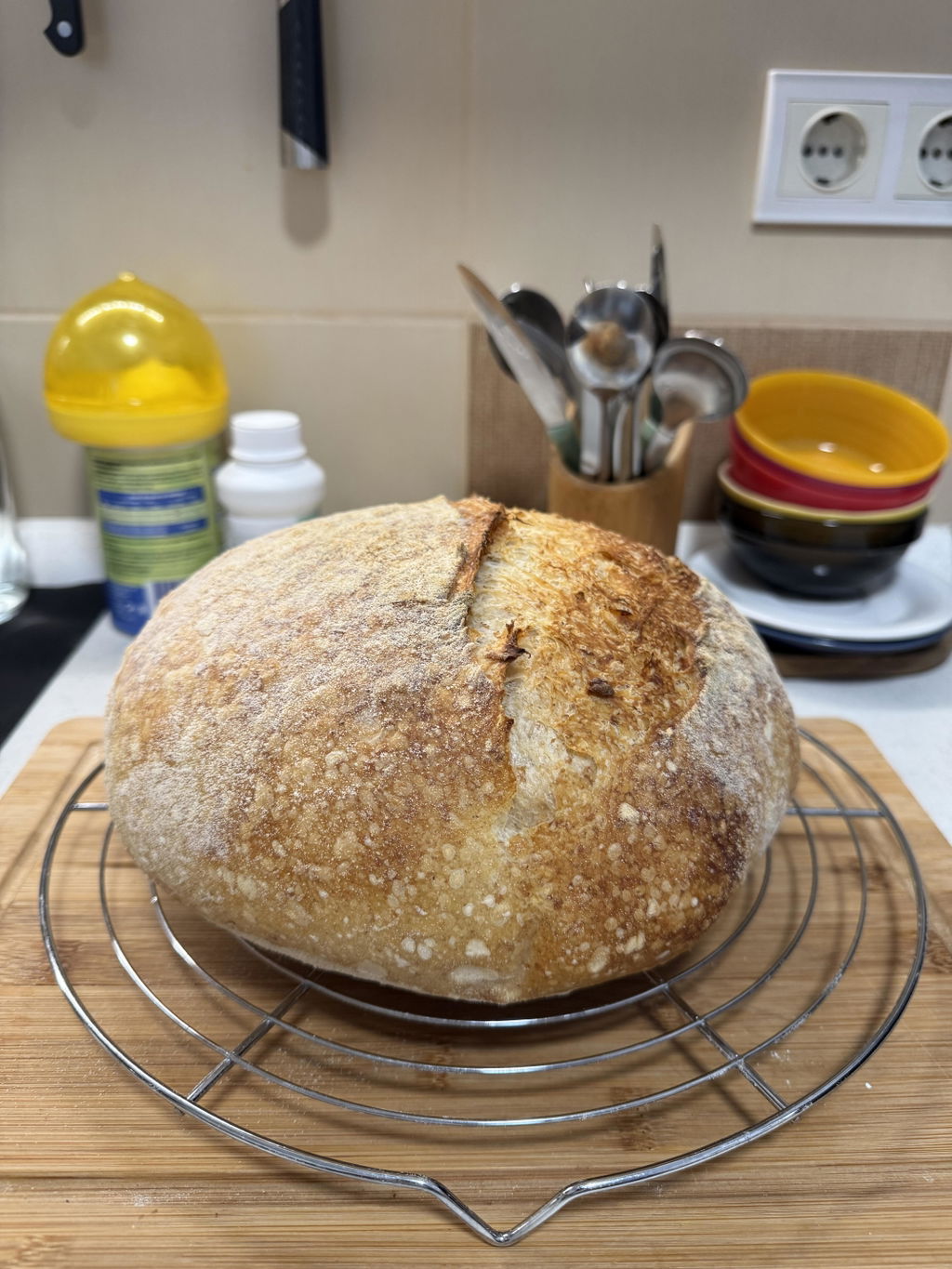
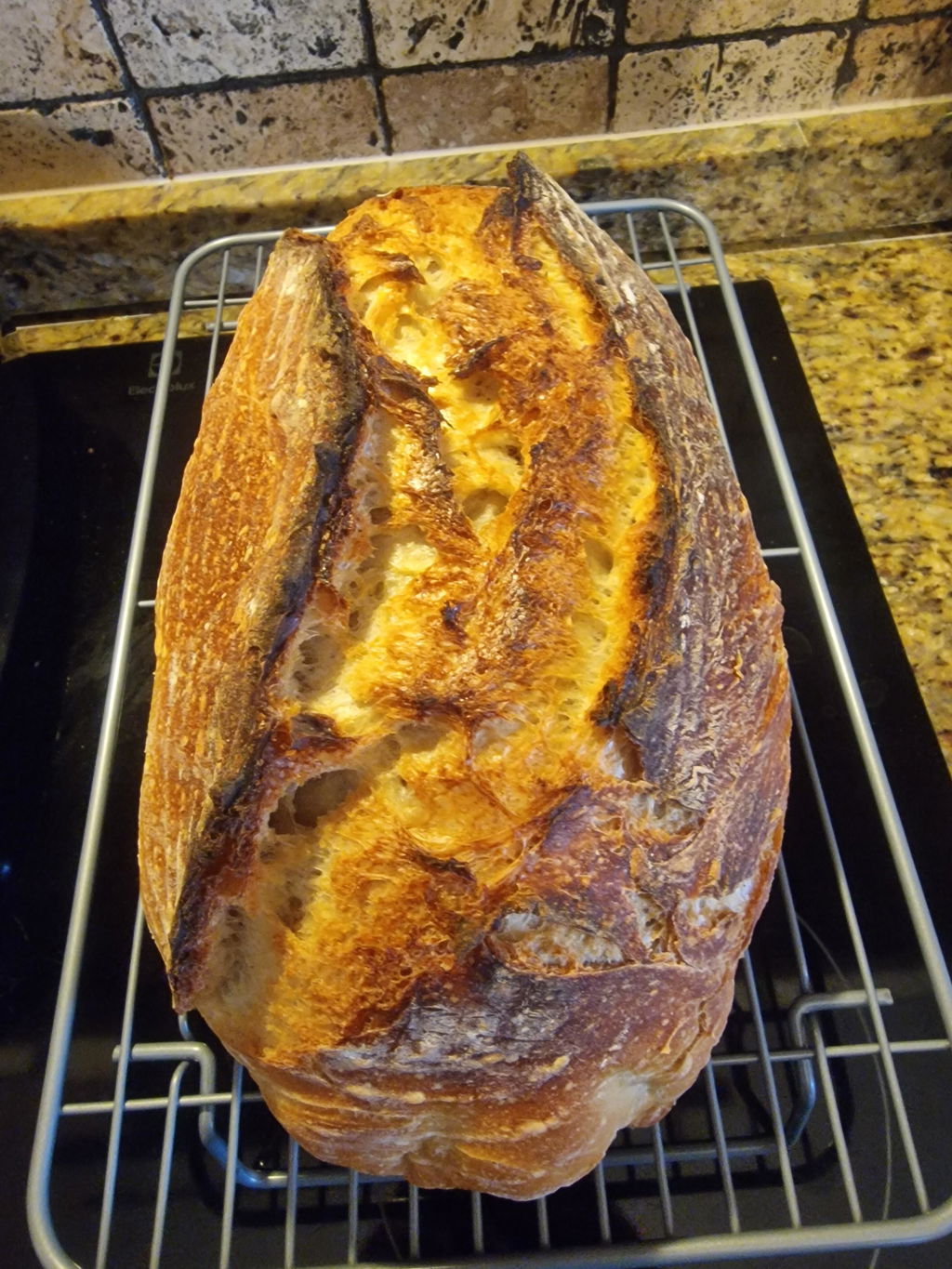
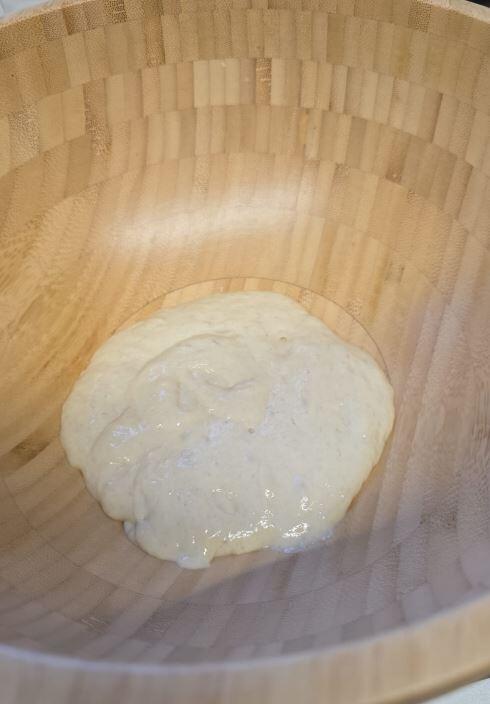
Natural starter or commercial yeast? The choice depends on the time, flavor, and effort you're willing to invest. Here are the key differences:
- Natural starter: slow fermentation (8-24 hours), complex flavor, crispy crust, easier to digest, but requires constant maintenance.
- Commercial yeast: fast fermentation (1-2 hours), simple process, neutral flavor, ideal for quick recipes.
In short: Starter is for those who appreciate a detailed process and richly flavored results, while yeast is for those who want bread that's quick and easy to make.
Quick comparison:
| Characteristics | Natural Starter | Commercial Yeast |
|---|---|---|
| Fermentation time | 8-24 hours | 1-2 hours |
| Taste | Tangy, complex | Neutral, simple |
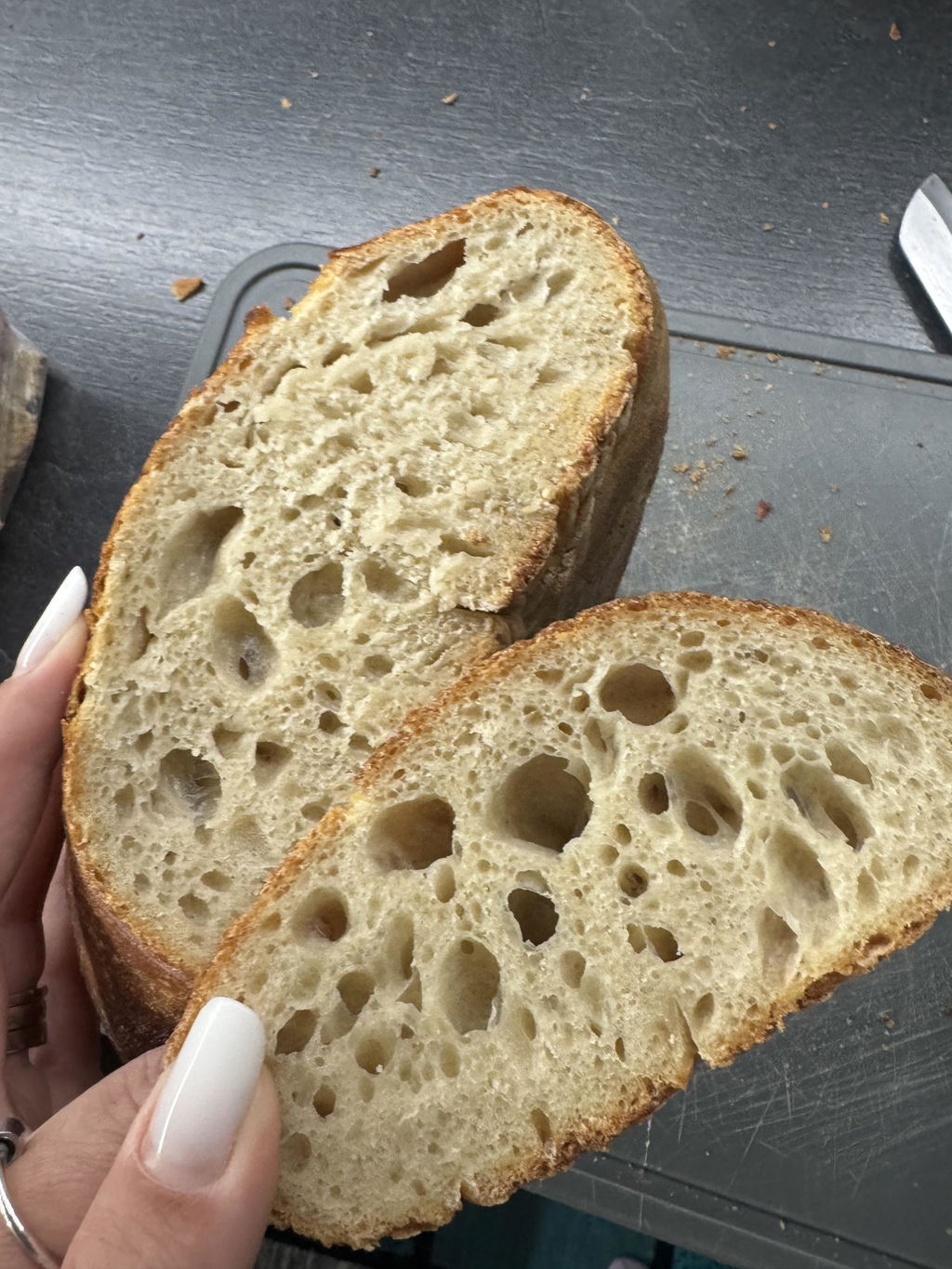
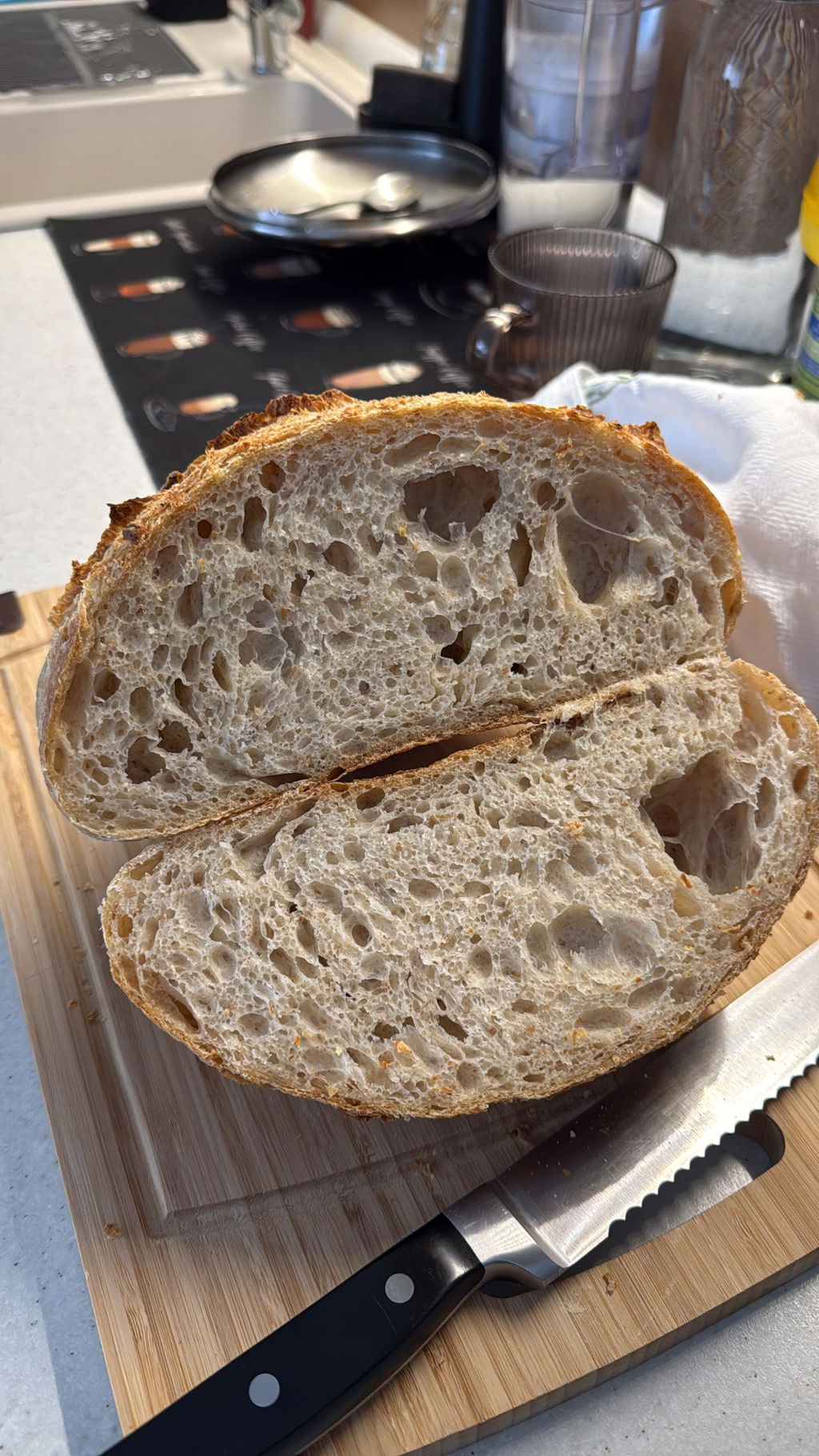
| Texture | Dense crumb, large air pockets | Fluffy crumb, even pores |
| Maintenance | Requires regular feeding | No maintenance required |
| Digestibility | Easier to digest | May cause discomfort |
| Shelf life | 5-7 days | 2-3 days |
Keep reading for details on how each method affects your bread.
Healthier Bread: Natural Starter vs. Brewer's Yeast
sbb-itb-cb8797a
The Fermentation Process: Speed and Effects
Dough fermentation happens in distinct ways: commercial yeast works quickly, while natural starter ferments slowly, influencing the bread's texture, digestibility, and nutritional value.
Commercial yeast works like a sprint: concentrated microorganisms quickly consume the sugars in the dough, generating carbon dioxide at an accelerated rate. In just 60–90 minutes, the dough visibly rises, and the entire process can be completed in a few hours.
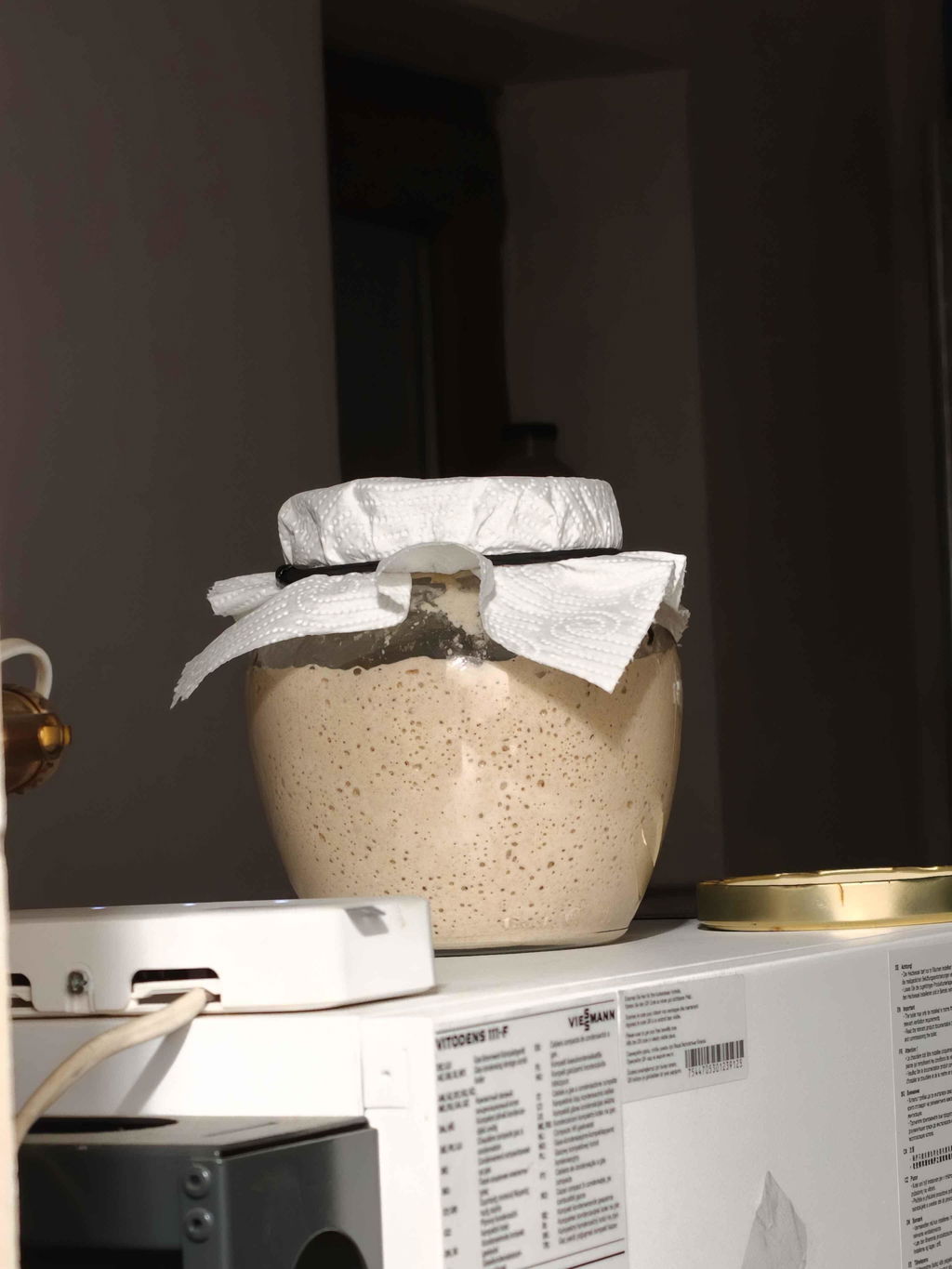
By contrast, natural starter has a different pace. The community of wild yeasts and lactic acid bacteria works slowly, over 12 to 48 hours, depending on factors such as temperature and hydration level. This extended fermentation is not a drawback; it is exactly what gives bread its distinctive character.
Below, we explore in detail how fermentation affects gluten, enzyme activity, and digestibility.
Fermentation Time and Gluten Breakdown
A 18–24 hour fermentation with starter allows enzymes to break down gluten, turning complex proteins into simpler amino acids. This "predigestion" process makes the bread easier to tolerate, even for those with mild gluten sensitivity (but not for people with celiac disease).
Slow fermentation also has another benefit: minerals in flour, such as iron, zinc, and magnesium, become easier for the body to absorb. With commercial yeast, the fast fermentation does not allow enough time for these biochemical changes.
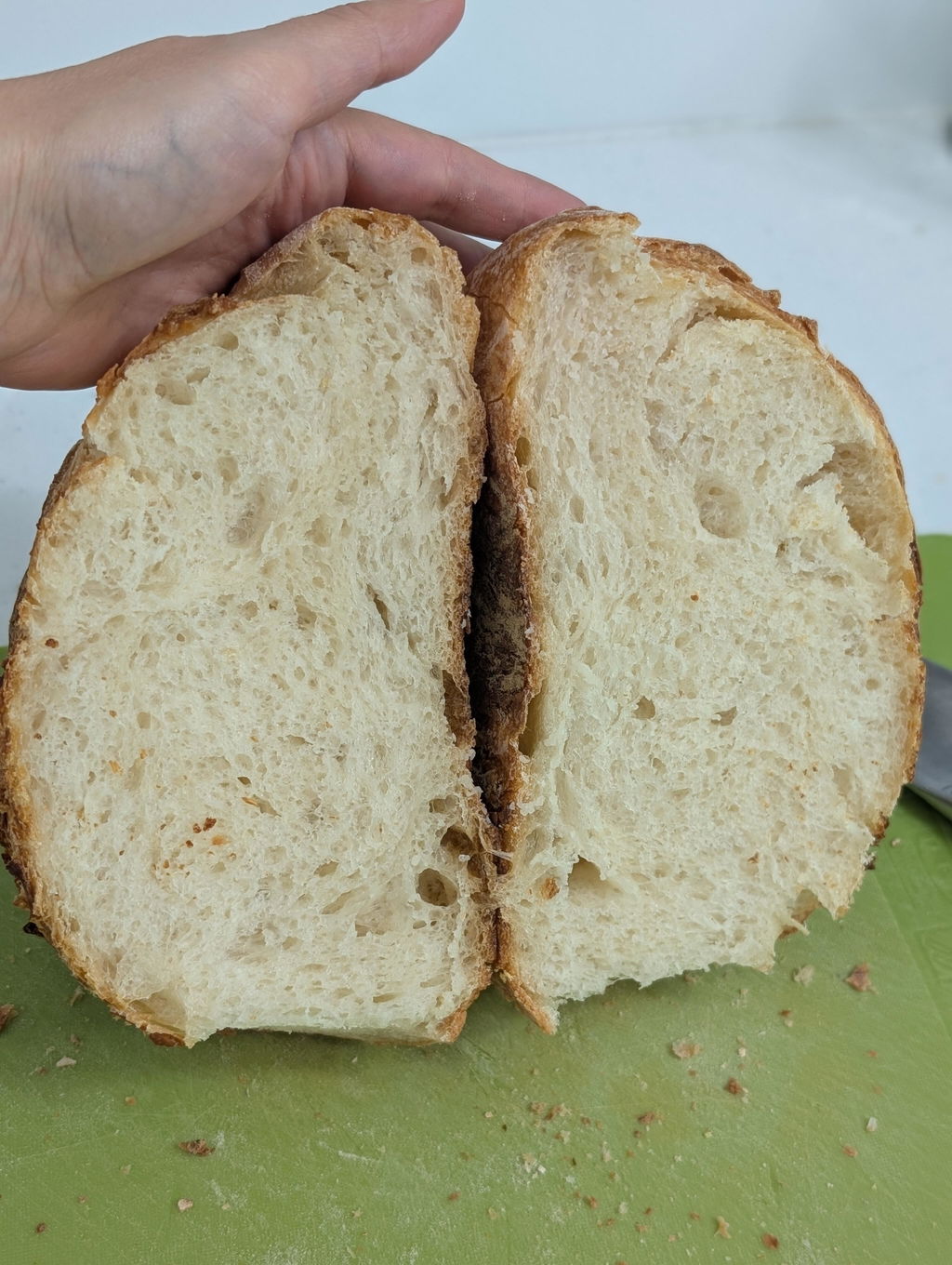
Bread texture is significantly influenced by fermentation time. Dough made with natural starter develops a more elastic and resilient gluten network, able to trap gases more effectively, which creates those large, irregular air pockets. By contrast, yeast bread has a more even crumb, with small pores distributed uniformly.
Room temperature is an essential factor. At 22–24°C, starter can double the dough's volume in 8–12 hours, and at temperatures below 18°C, the process can take up to 24 hours or more. Commercial yeast, on the other hand, is less affected by these variations.
This long fermentation not only shapes the bread's texture, but also helps improve digestibility.
Enzyme Activity and Digestibility
The lactic acid bacteria in starter produce organic acids (lactic and acetic) that lower the dough's pH, activating beneficial enzymes. These acids not only give bread its slightly tangy taste, but also create an acidic environment (pH 3.8–4.5) that activates enzymes such as phytase. Phytase breaks down phytic acid, an anti-nutrient present in grains that can hinder mineral absorption.
Starter fermentation significantly reduces phytic acid, making minerals easier for the body to absorb.
With commercial yeast, the process mainly produces carbon dioxide and ethanol, without a significant amount of organic acids. As a result, the pH remains relatively neutral (5.5–6.0), which means the enzymes needed to break down phytic acid are not activated.
Another benefit of slow fermentation is the pre-digestion of starch. Amylase enzymes break down complex carbohydrates into simple sugars that are easier to digest, reducing their impact on blood sugar. People who experience bloating or discomfort after eating yeast bread often find that natural starter bread is better tolerated.
Fermentation also affects bread's shelf life. The natural acidity of starter bread acts as a natural preservative, preventing mold growth. As a result, starter bread stays fresh for 5–7 days at room temperature, while yeast bread dries out and loses freshness in 2–3 days.
Bread Flavor, Texture, and Appearance
The differences between natural starter bread and commercial yeast bread are obvious from the first bite. From the unique flavors and crumb texture to shelf life, each method offers a different experience.
Flavor differences
Bread made with commercial yeast has a simple taste, with slightly sweet notes but no aromatic complexity. Fast fermentation does not allow deeper flavors to develop, making this type of bread a versatile choice for sandwiches or other dishes, but without a distinct character.
On the other hand, natural starter bread stands out for its rich, layered flavor with a pleasant acidity. This acidity, often compared to yogurt-like notes, is the result of lactic acid bacteria activity, which generates a diverse range of aromatic compounds. In addition, acetic acid contributes to a vibrant flavor profile, offering a complex taste experience.
Baking temperature also plays an important role. A caramelized crust, achieved at high temperatures, adds subtle nutty and caramel notes, enriching the bread's final flavor.
Texture and crumb structure
Bread texture differs significantly between the two types. Commercial yeast bread has a soft, fluffy crumb, with small air bubbles distributed evenly. This texture is the result of fast fermentation, which produces a steady amount of carbon dioxide.
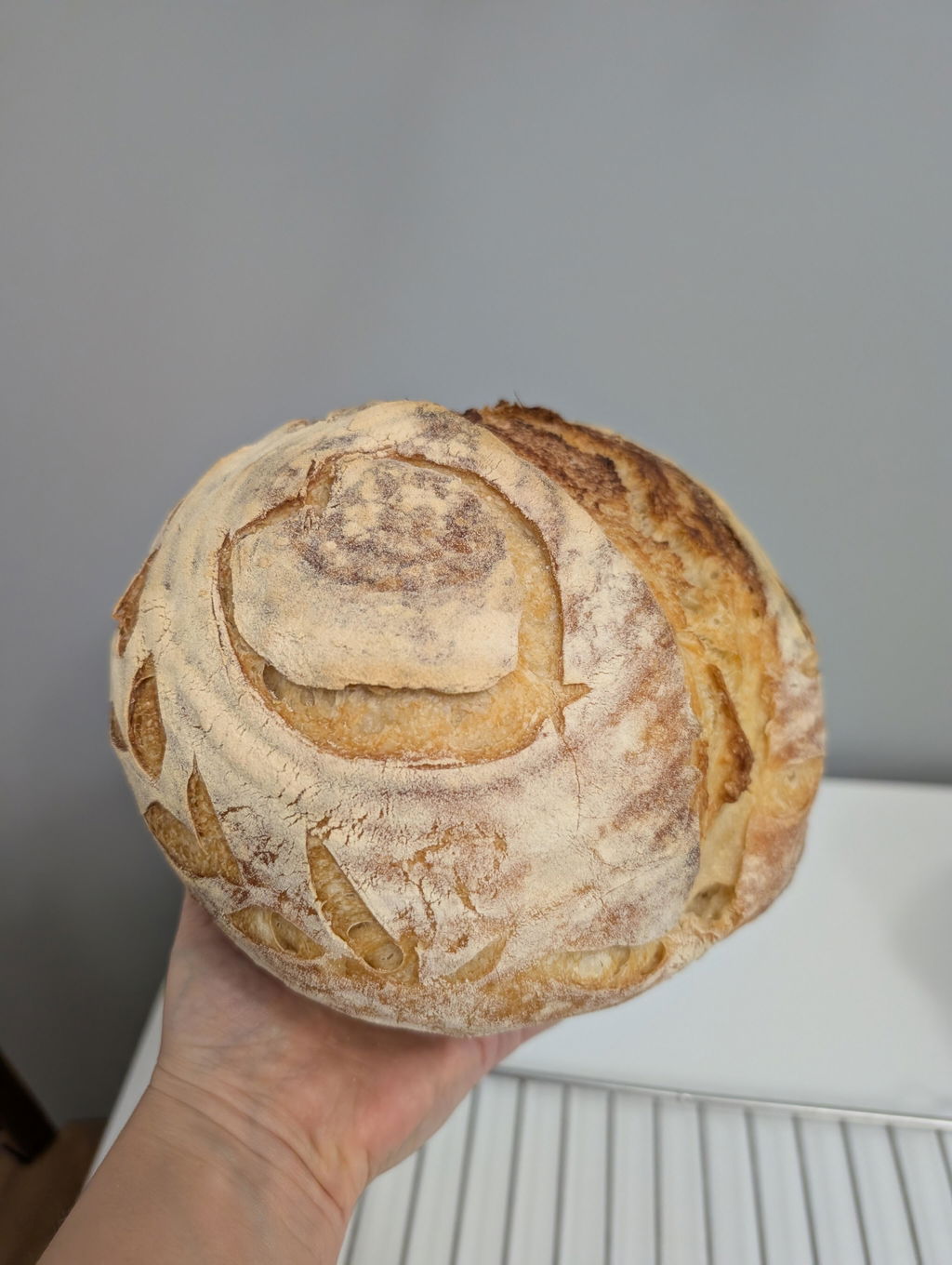
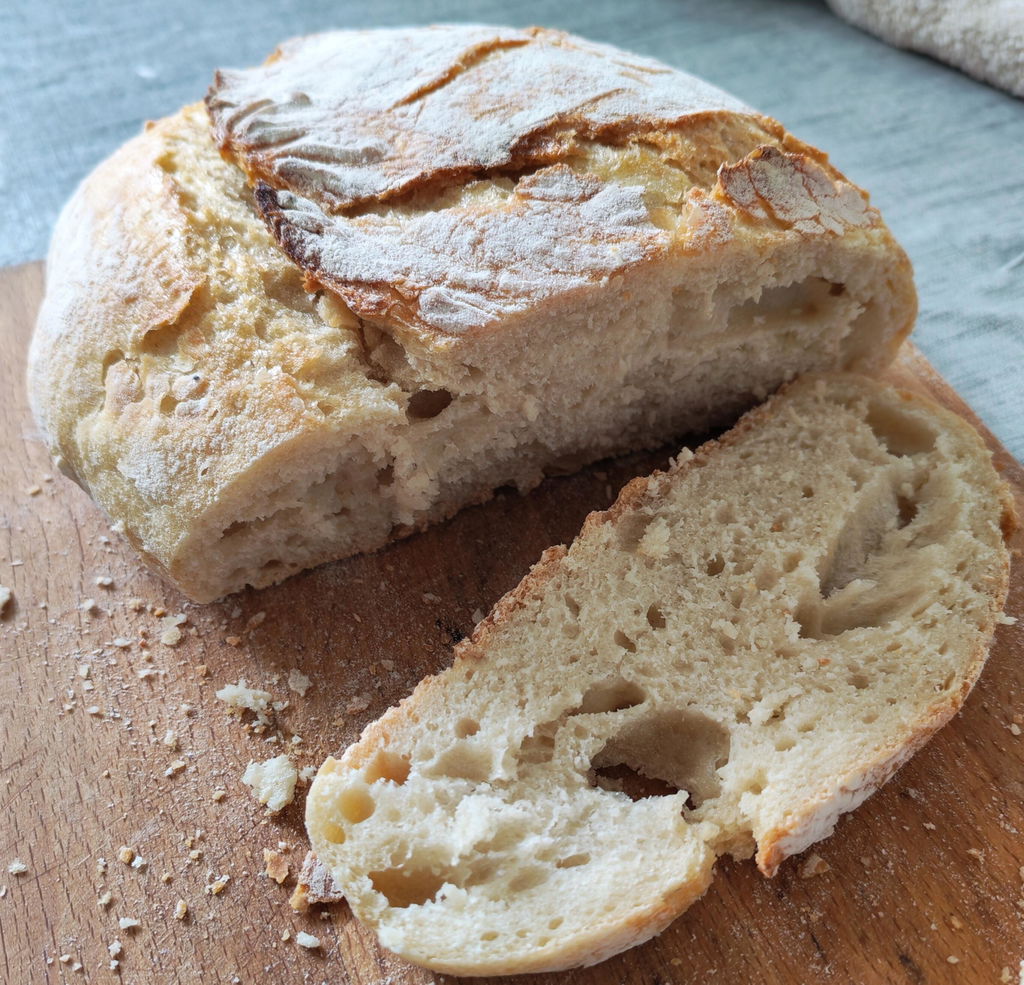
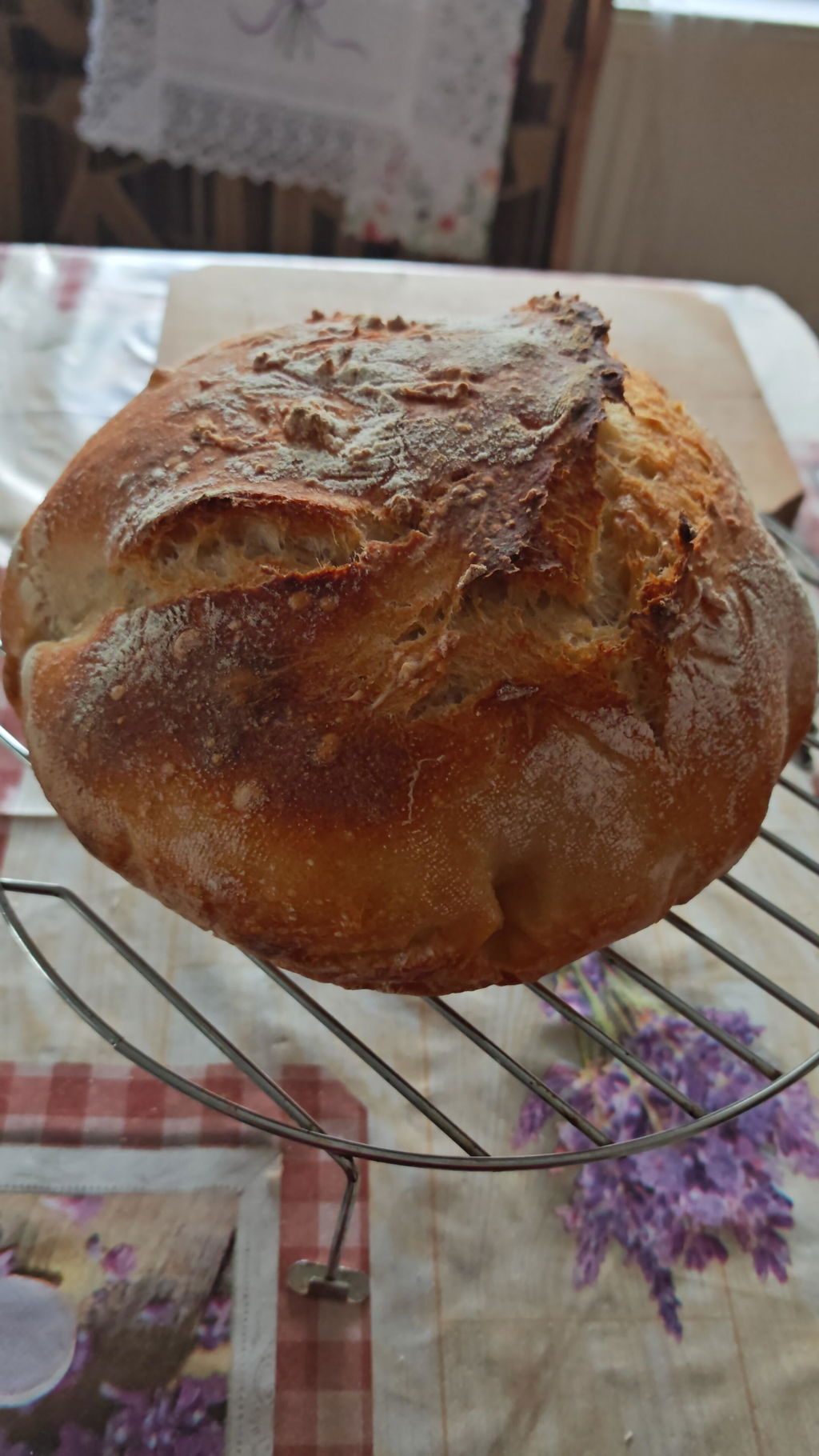
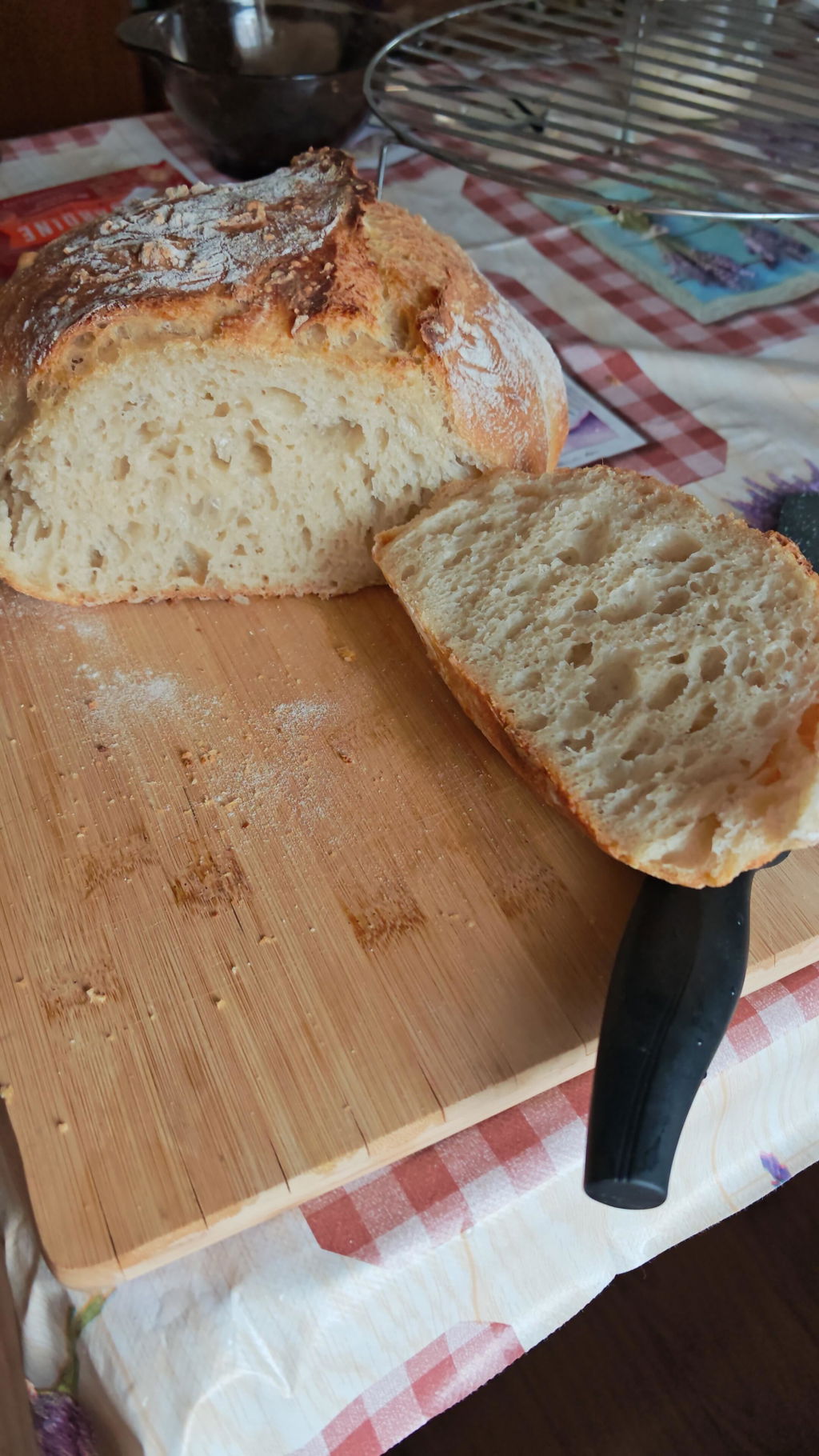
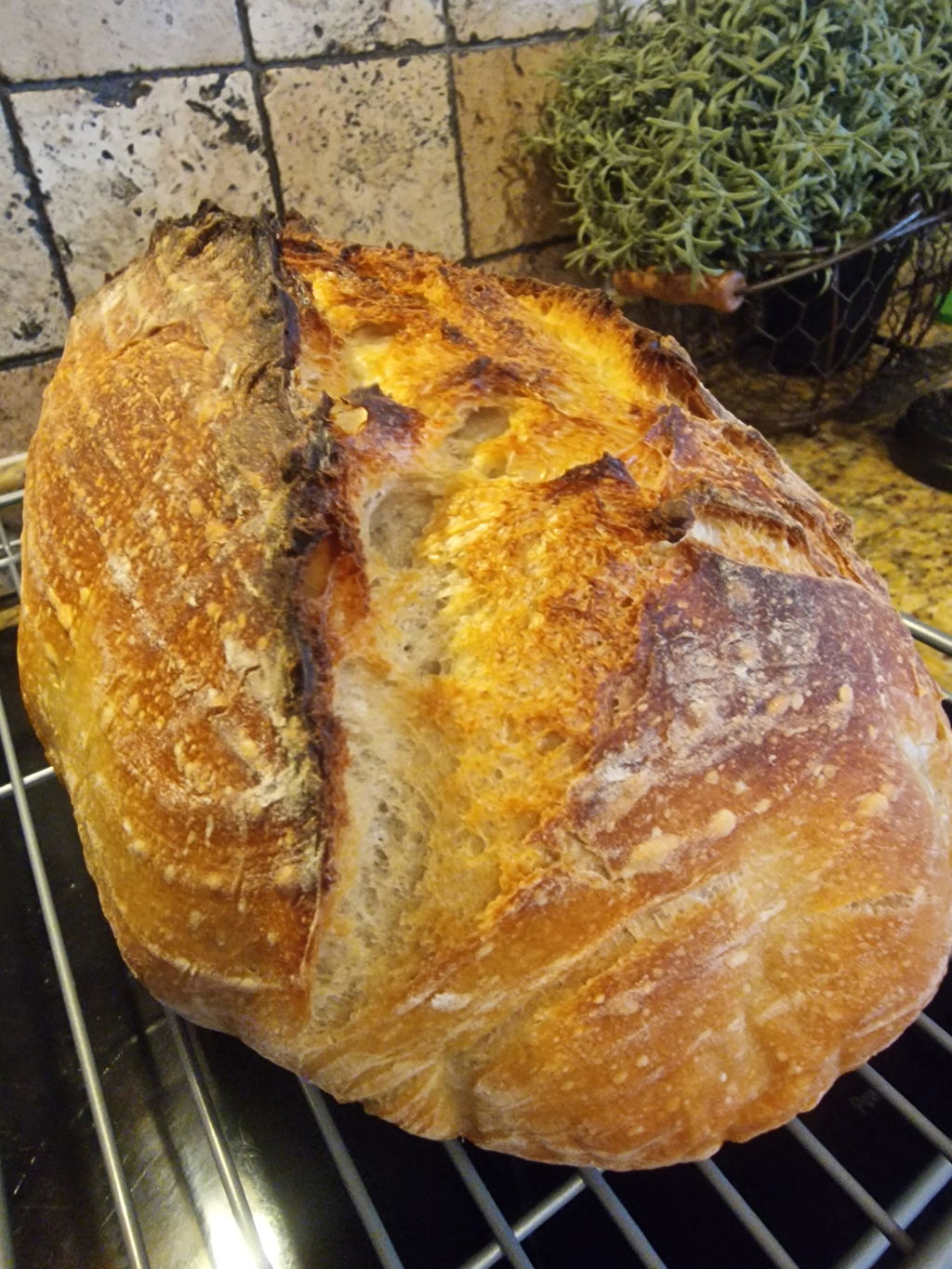
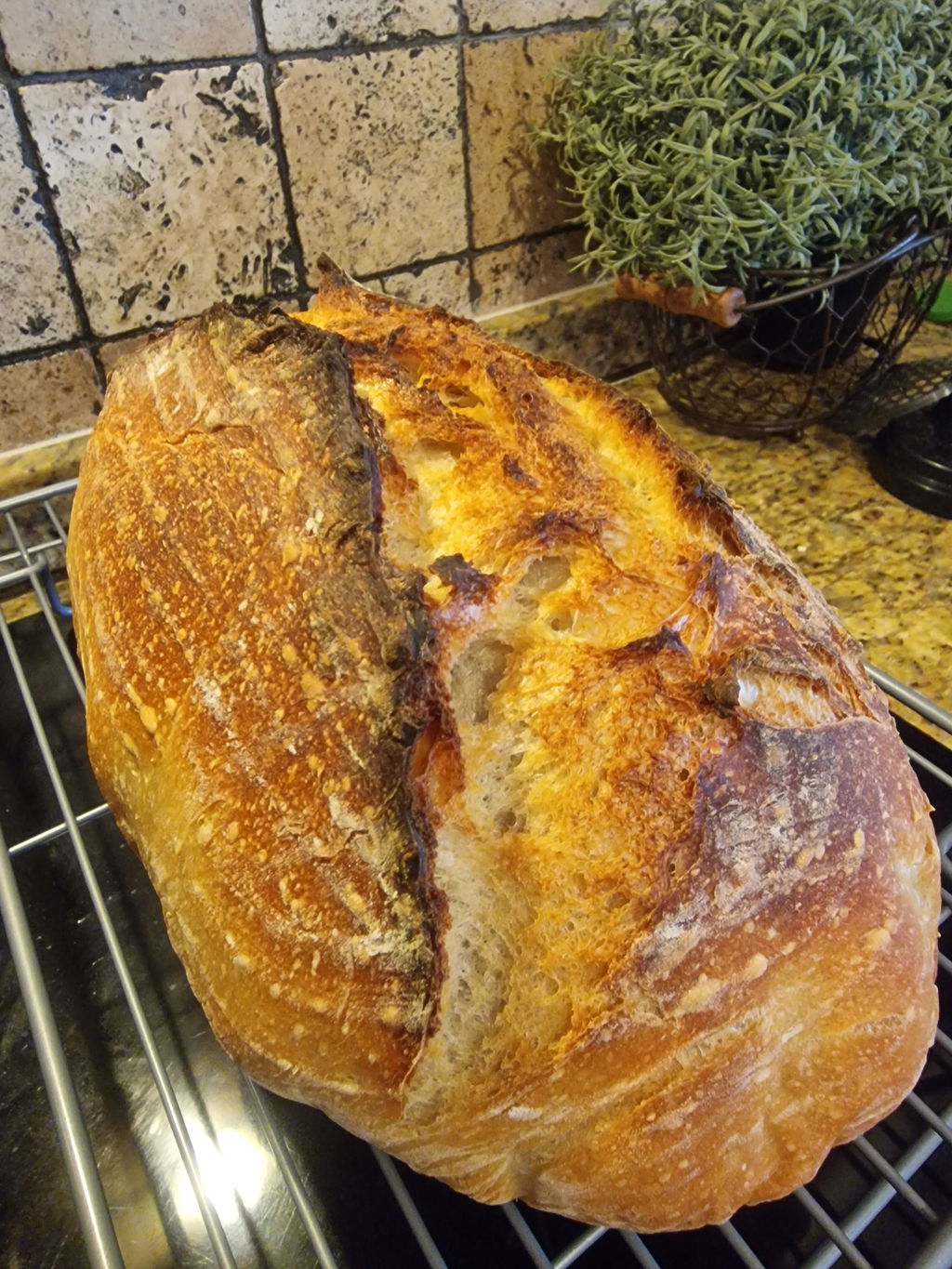
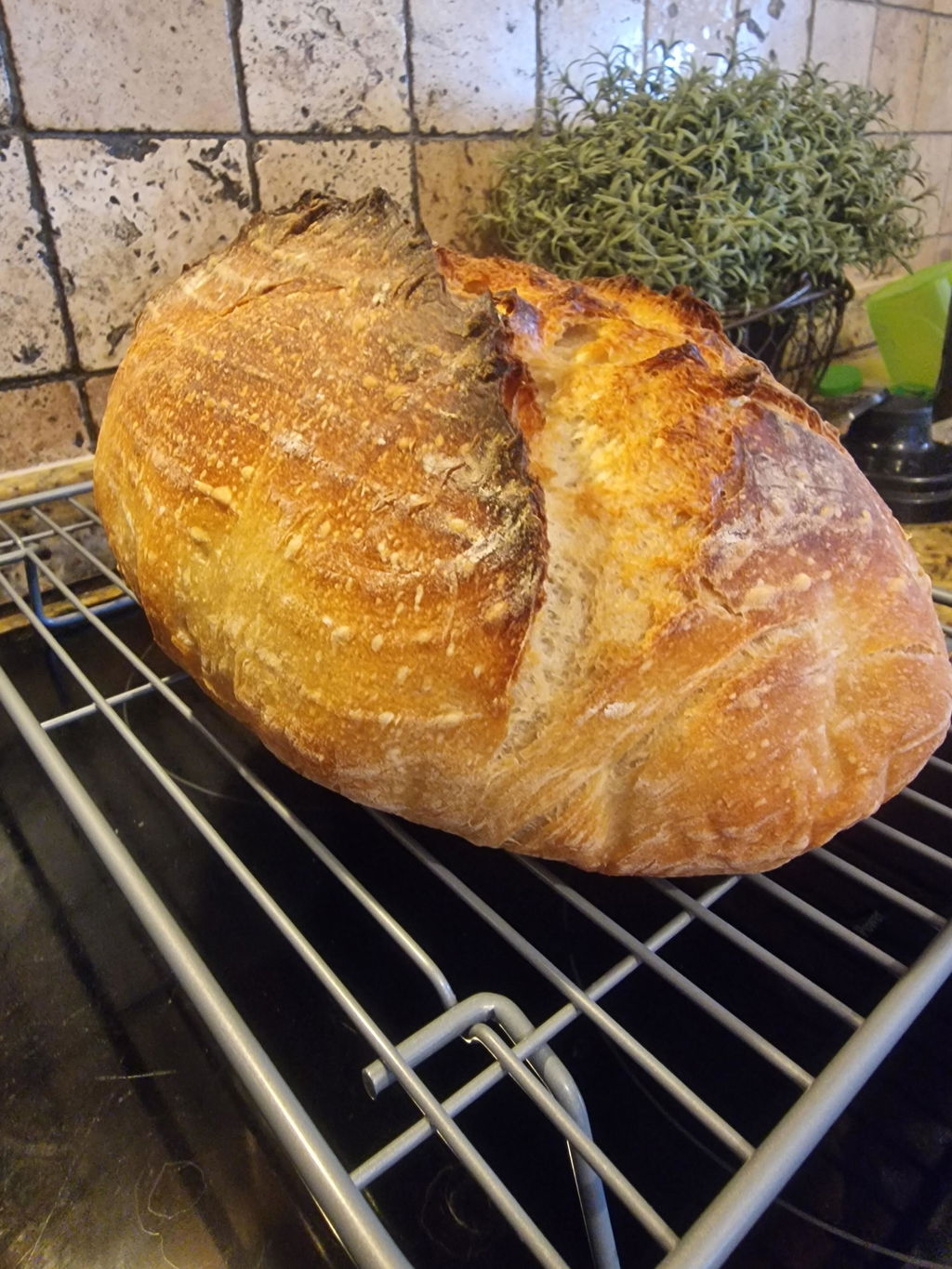
By contrast, natural starter bread offers a more varied structure, with air bubbles of different sizes. Slow fermentation allows the gluten network to develop gradually, resulting in a dense, elastic, and slightly moist crumb. The crust is thick and crispy, in contrast to the thinner, more delicate texture of yeast bread.
The acidity typical of starter helps retain moisture, keeping the crumb fresh and elastic for several days.
Shelf life and freshness
Another important aspect is how each type of bread maintains its freshness. Commercial yeast bread tends to dry out quickly at room temperature, and the starch retrogrades, causing the crumb to harden.
By contrast, natural starter bread stays fresh longer thanks to its natural acidity. The crust keeps its crispness, and the crumb remains moist and elastic. It can be easily refreshed with a short bake, even after several days.
These differences influence the preferences of bakers and consumers, with each method having its own distinct advantages.
Nutritional Benefits and Health Effects
Beyond flavor and texture, the fermentation process significantly influences bread's nutritional value and the way the body digests it. The differences between natural starter bread and bread made with commercial yeast are especially noticeable in terms of nutrient absorption and digestibility.
Nutritional content
Although bread made by the two methods has a similar calorie content, the extended fermentation characteristic of natural starter brings several clear advantages. It improves the absorption of essential minerals such as iron, zinc, magnesium, and calcium, and stimulates the production of B vitamins, which are crucial for metabolism and proper nervous system function.
In addition, the enzymatic and biochemical processes that take place during fermentation positively affect the way the body handles sugars.
Glycemic index and blood sugar
Natural starter bread has a lower glycemic index, which means it causes a slower and more stable rise in blood sugar. This helps prevent sudden energy swings and can be very helpful for people with type 2 diabetes or insulin resistance. It also helps maintain a steady energy level throughout the day.
Gluten and digestibility
Gluten, the protein in wheat, can be difficult for some people to digest. Although natural starter bread is not safe for those with celiac disease, the fermentation specific to this type of bread partially breaks down gluten and reduces FODMAPs, making it easier to digest for those with non-celiac sensitivity.
So, while commercial yeast speeds up the baking process, natural starter bread offers nutritional and digestive benefits that can support long-term health.
Practical Tips for Baking Bread at Home
The choice of baking method depends on how much time you have, your experience level, and the result you want. Each technique comes with its own quirks, and understanding them can help you make delicious bread.
Time and skills required
If you're just starting out or want a quick solution, commercial yeast is the best choice. The process is simple and fast, with fermentation lasting between 1 and 2 hours. Basically, you just mix the ingredients, let the dough rise, and then bake it. It's ideal for busy days or when you want to make fresh bread without much planning.
On the other hand, natural starter requires more patience and involvement. Fermentation can take between 8 and 24 hours, which means you need to plan a day ahead. The process is more complex, including steps such as feeding the starter, preparing the dough, bulk fermentation, shaping, final proofing, and finally baking.
Choosing between the two methods depends on your priorities: yeast offers speed and predictability, while starter lets you better control the process and learn to read the dough's signals. With starter, you'll need to consider factors such as kitchen temperature, humidity, and the specific behavior of your starter.
No matter which method you choose, proper storage of ingredients is essential to maintain freshness and quality.
Storage and maintenance
Active dry yeast is very easy to store: it can last for months at room temperature. Fresh yeast, on the other hand, must be refrigerated and used within 2–3 weeks. The cost is affordable, between 1 and 3 lei per packet, enough for several baking sessions.
Natural starter, however, needs regular care. It must be fed every 12–24 hours with water and flour in equal parts. If you don't bake often, you can keep it in the refrigerator and feed it weekly. Before use, it needs to be reactivated with 2–3 feedings. For periods when you can't maintain it, such as vacations, the starter can be frozen or dehydrated so it can be used again later.
If you're intimidated by starting with natural starter, you can opt for ready-made starters. For example, Maia Fermentată offers artisanal starters for 49,00 lei, along with a detailed activation guide and WhatsApp support.
The Best Recipes for Each Method
Once you choose the right method and take care of your ingredients, it's time to explore recipes that highlight the technique used.
Commercial yeast is ideal for soft, fluffy breads such as sandwich loaves, burger buns, cozonac, or mucenici. It's also great for pastries that need a quick rise, such as donuts or muffins.
Natural starter, on the other hand, adds extra flavor to rustic breads with a crisp crust. Country bread, rye bread, whole wheat bread, or focaccia are just a few examples. The natural acidity of starter pairs wonderfully with seeds, nuts, and whole grains, delivering a complex flavor and a distinctive texture.
Start with simple recipes and observe how the dough behaves in your kitchen. Every oven, flour type, and starter has its own characteristics, so adjust quantities and timings as needed. Bread baking is an art, and each attempt will bring you closer to perfection.
Conclusion: Which Method Should You Choose?
After analyzing in detail the fermentation process, flavors, and nutritional benefits, the choice of the right method depends entirely on your lifestyle and priorities. Each option has its strengths, and the final decision should reflect your needs and preferences in the kitchen.
Commercial yeast is perfect for those moments when time is limited. If you need fresh bread in just a few hours, this method offers fast dough rise and consistent results. It's ideal for items like sandwiches, buns, or other pastries, where speed and simplicity are essential.
Natural starter, on the other hand, is for those who appreciate the slow process and traditional flavors. Although it requires more patience and involvement, the result is bread with deep flavor, a unique texture, and a longer shelf life. If this method appeals to you, you can start with an artisanal starter from Maia Fermentată, available for 49,00 lei, which comes with a detailed guide and WhatsApp support to help you take your first steps.
Before deciding, ask yourself: do you have the time needed to care for the starter every 12–24 hours? Do you bake bread often or only occasionally? Do you prefer bread that is eaten quickly or one that lasts several days? Does the idea of experimenting and learning from each bake excite you, or are you looking for fast, reliable results?
In fact, many people combine the two methods, adapting the baking process to their needs. For example, commercial yeast can be used for quick weekday recipes, while starter is reserved for special weekend loaves, when you have more time to enjoy the whole process. The choice is yours—try both and discover what works best for you and your family!
FAQs
What nutritional benefits does natural starter bread have compared with commercial yeast bread?
Bread with natural starter stands out for its nutritional benefits, thanks to slow fermentation. This process helps the body absorb essential minerals such as calcium, iron, and magnesium more easily by reducing phytic acid. In addition, fermentation encourages the growth of beneficial bacteria, supporting gut health.
Another important aspect is that starter bread has a lower glycemic index, making it a better option for maintaining stable blood sugar levels. It is also easier to digest, which makes it an ideal choice for people with digestive sensitivities or reduced gluten tolerance.
On top of all that, natural starter bread offers a rich, authentic flavor, making it a great part of a healthier, more balanced diet.
How does the slow fermentation of starter affect bread texture and health benefits?
The slow fermentation of starter plays an essential role in producing bread with an airy, elastic texture. This natural process allows the dough to develop evenly, resulting in a better-structured final product. At the same time, fermentation helps break down gluten and other compounds, making the bread easier to digest.
Another advantage of slow fermentation is the increased bioavailability of nutrients in flour, such as B vitamins and minerals. It also reduces the presence of anti-nutrients like phytic acid. The result? Bread that not only has a rich, pleasant flavor, but is also more health-friendly.
Is natural starter bread a better option for people with gluten sensitivity?
Bread made with natural starter may be easier to digest for people who have gluten sensitivity. This is explained by the slow fermentation process, which helps partially break down the gluten present in flour.
However, it should be noted that starter bread is not gluten-free, so it is not a safe option for people with celiac disease or severe gluten intolerance. If you have gluten sensitivity, it is essential to speak with a specialist before introducing starter bread into your diet.