Wet Sourdough vs Dry Sourdough: Which Is Better for You?
Want to bake sourdough bread but don’t know which starter to choose? Wet sourdough is the traditional option, dry sourdough is the modern one. Both make excellent bread — the difference is how much time and effort you invest.
📋 In Brief
- Wet sourdough: A living culture, fed regularly. Full control, but it takes 7-14 days to get going and needs daily attention.
- Dry sourdough: Dehydrated culture, ready to activate. 3-5 days until the first loaf, zero maintenance between bakes.
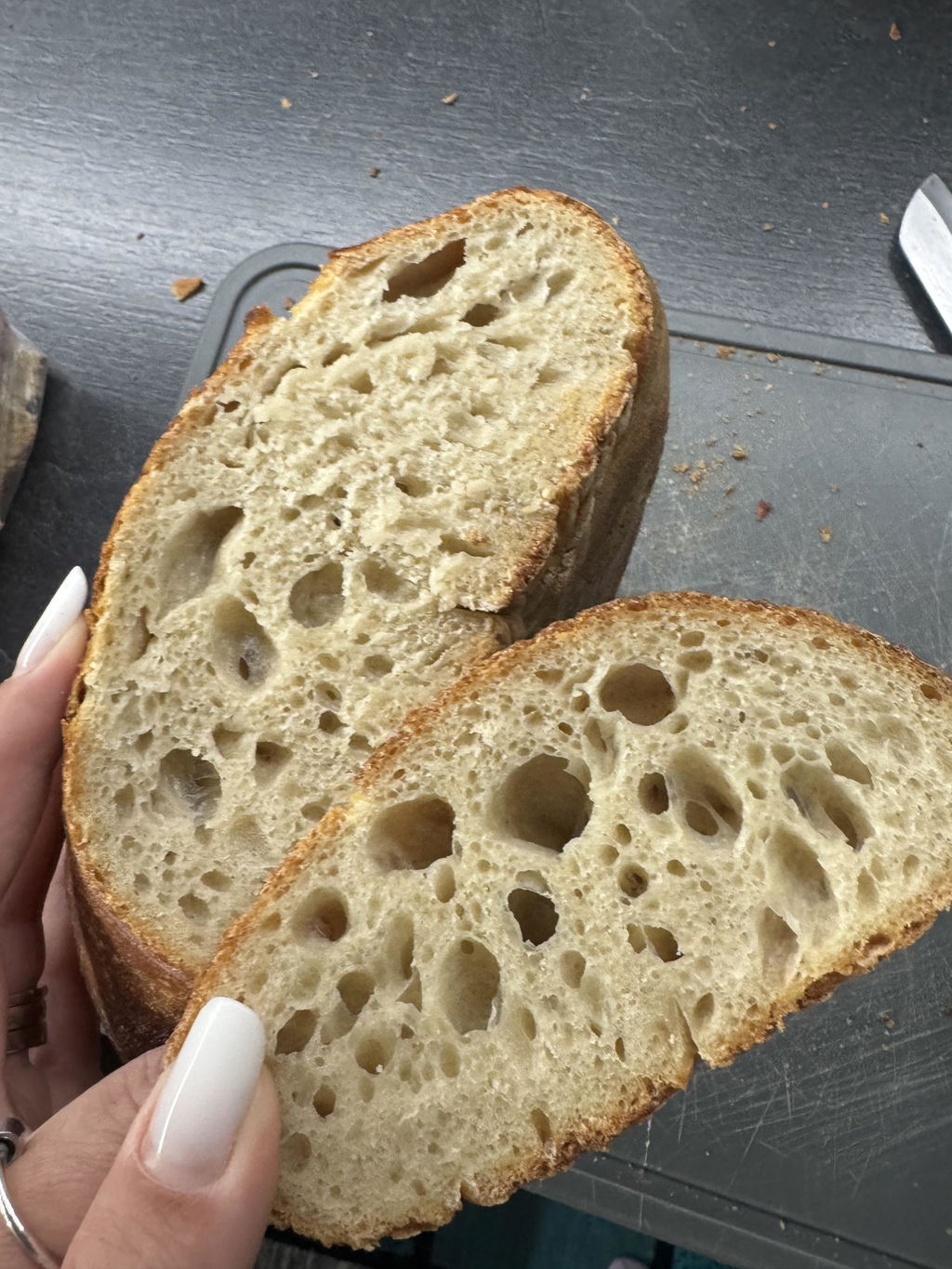
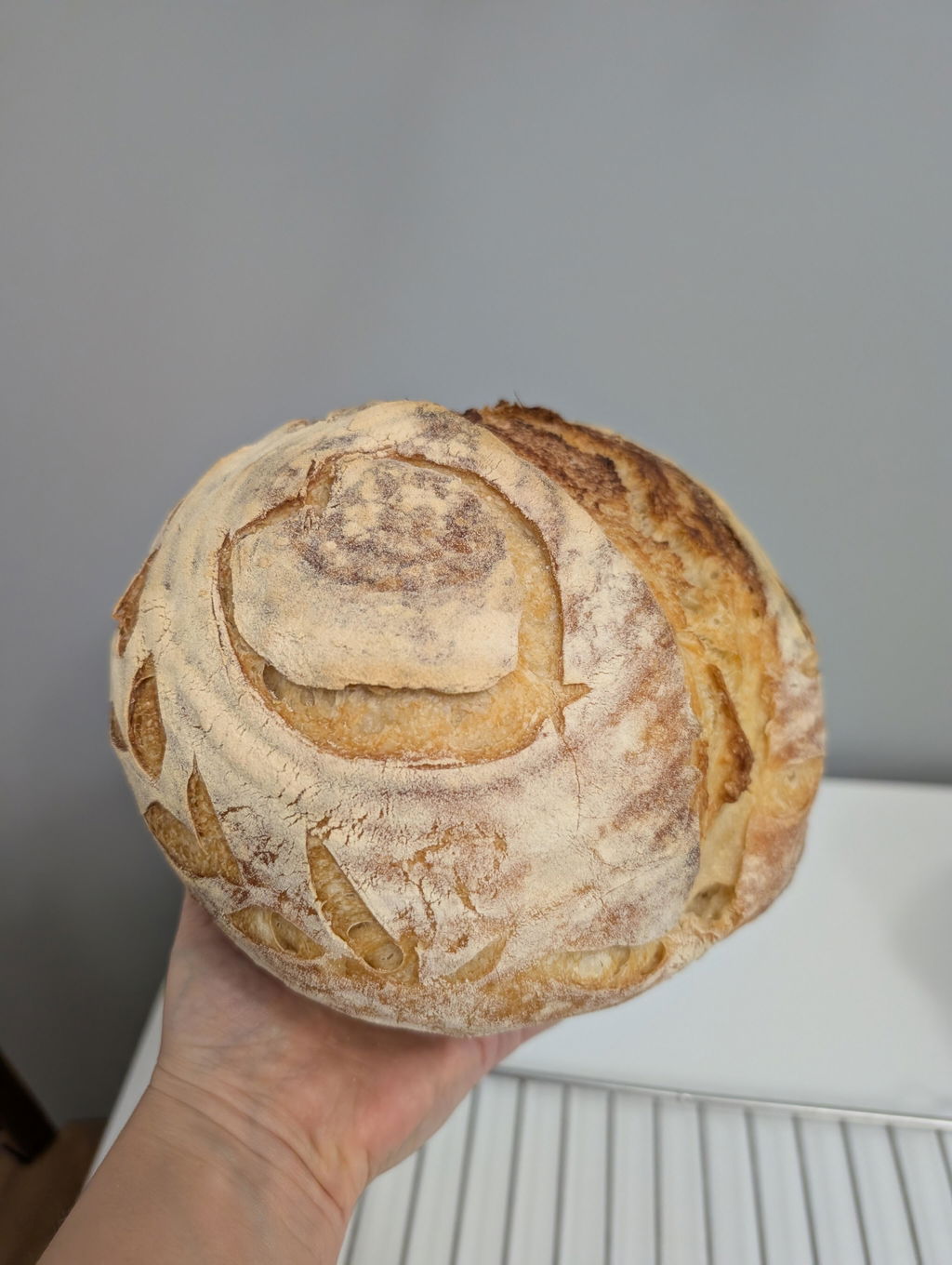
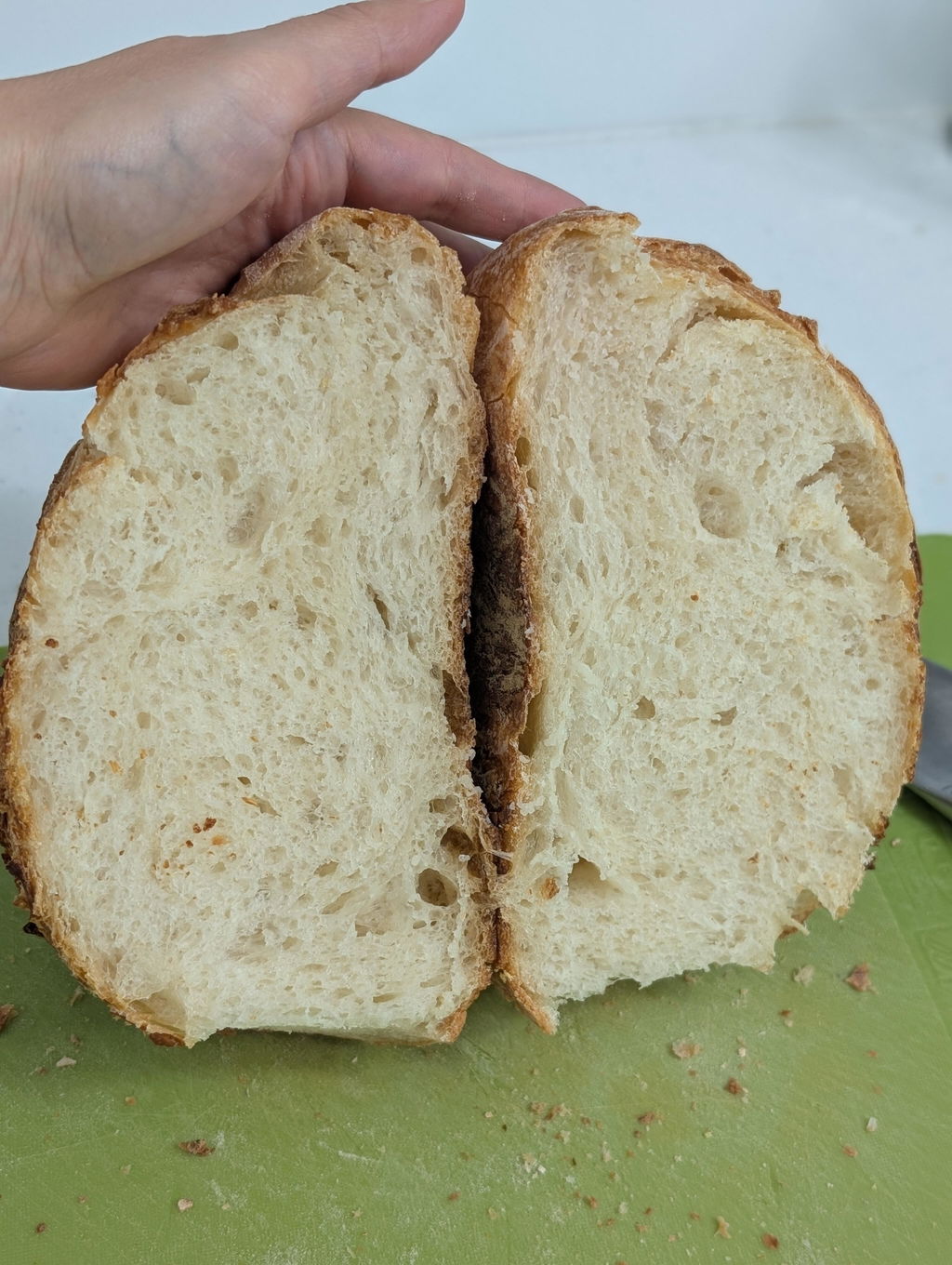
- The taste? Identical. The only difference is convenience.
If you ask 10 bakers what kind of sourdough they use, you’ll get 10 different answers. Some swear by traditional wet sourdough, others have switched to dry sourdough for simplicity. The truth? Both work great — the choice depends on your lifestyle.
We’ve talked to hundreds of customers who have tried both options. In this guide, I’ll explain the real differences, the pros and cons of each, and help you decide which one is right for you.
"I made wet sourdough for 2 years. It was like a pet — it had to be fed constantly. When I discovered dry sourdough, I realized I could make the same bread without the stress of keeping it alive nonstop." — Cristina, 47, Maia Fermentată customer
💧 What Is Wet Sourdough?
The traditional culture, alive and active, that needs constant care
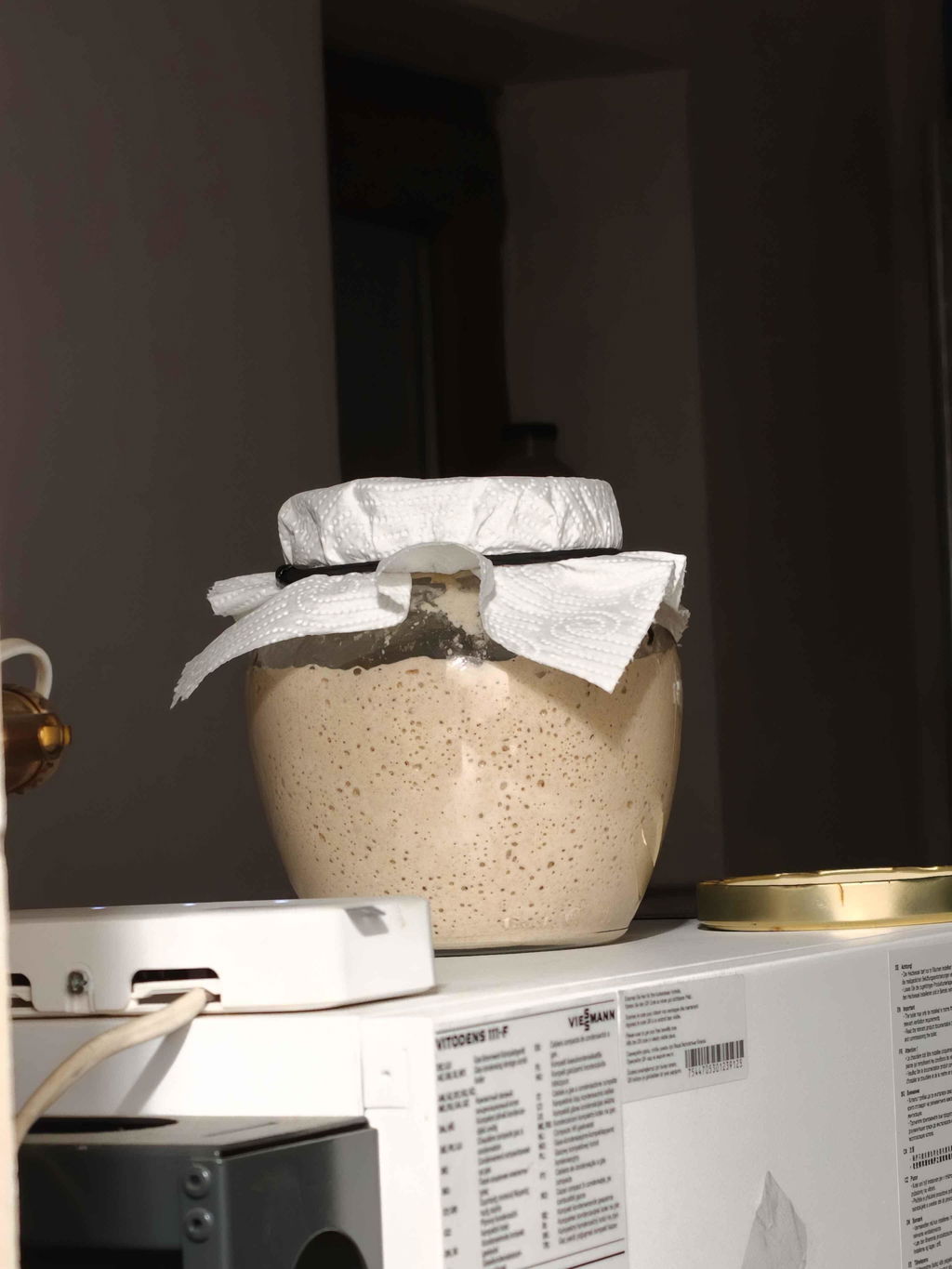
Wet sourdough is the classic fermentation culture, made from a mixture of water and flour. It’s kept in a jar at room temperature or in the fridge and must be fed regularly to stay active.
In practice, it’s a living ecosystem of wild yeasts and lactic acid bacteria that turn flour into a natural leavening agent. When you feed it, the microorganisms multiply and produce carbon dioxide — the gas that makes bread rise.
✅ Advantages
- Full control over fermentation
- You can "train" the starter (more sour, sweeter)
- Classic taste, deep aroma
- The satisfaction of creating from scratch
❌ Disadvantages
- 7-14 days to start from scratch
- Feeding every 1-2 days
- If you forget to feed it, it "dies"
- Flour waste (you discard the excess)
- High risk of failure for beginners
🌾 What Is Dry Sourdough?
A dehydrated mature culture, ready to activate whenever you need it
Dry sourdough is a mature culture starter that has been dehydrated for long-term preservation. At Maia Fermentată, our culture dates back to 1916 and is guaranteed to come back to life in 3-5 days.
Think of it as a "time capsule" — the microorganisms go dormant when dehydrated and wake up when you add water and flour. The end result? Exactly the same active wet sourdough, but without weeks of waiting.
✅ Advantages
- Fast activation: 3-5 days vs 7-14
- 95% success rate on the first try
- Keeps for months/years without care
- Zero flour waste
- Stable in transit and varying temperatures
- Bake only when you feel like it
❌ Disadvantages
- Requires 3-5 days of initial rehydration
- Initial cost (but you save flour)
📊 Full Comparison Table
Here are the concrete differences, point by point:
| Criteria | 💧 Wet Sourdough | 🌾 Dry Sourdough |
|---|---|---|
| Start time | 7-14 days | 3-5 days ✓ |
| Success rate (beginners) | 30-40% | 95%+ ✓ |
| Maintenance | Feed every 1-2 days | Zero (until you use it) ✓ |
| Risk of "dying" | High | Minimal ✓ |
| Flour consumption | High (discard excess) | Zero waste ✓ |
| Shelf life | Days-weeks (with feeding) | Months-years ✓ |
| Transport stability | Sensitive to temperature | Very stable ✓ |
| Taste and aroma | Deep, complex | Identical after activation |
| Control over fermentation | Total ✓ | Total (after activation) |
| Ideal for | Experienced bakers, enthusiasts | Beginners, busy people ✓ |
🌾 Want to Start Without the Hassle?
Our dry starter (from 1916) activates in 3-5 days. You get step-by-step guide + video + WhatsApp support until you succeed.
See Dry Sourdough →🔍 Myth-Busting
There are many misconceptions about dry sourdough. Let’s clear them up:
"Dry sourdough isn’t as alive as wet sourdough."
✅ REALITYOnce rehydrated, dry sourdough has exactly the same microbial profile as the original wet sourdough. Dehydration doesn’t kill the microorganisms — it just puts them into dormancy. When rehydrated, they wake up and multiply just like before.
"Only wet sourdough makes real bread."
✅ REALITYDry sourdough is wet sourdough — just preserved differently. It’s like the difference between fresh vegetables and dehydrated vegetables: same nutrients, different storage form. The resulting bread is identical.
"Beginners have to learn with wet sourdough from scratch."
✅ REALITYThat’s like saying you have to learn to walk before using a bicycle. There’s no virtue in failing 3 times before you succeed. With dry sourdough, you skip straight to the fun part: baking bread.
"I spent 4 months trying to make sourdough from scratch. I threw away kilos of flour and was close to giving up. When I ordered dry sourdough, I made my first loaf in 5 days. Now I bake bread every week — for a year now." — Mihai, 52, Bucharest
🎯 Which One Is Right for You?
Choose WET SOURDOUGH if:
- You have fermentation experience and want full control
- You enjoy the process of "growing" the culture from scratch
- You bake daily or every 2-3 days
- You have time and patience for regular maintenance
- You want to experiment with different flours for the starter
Choose DRY SOURDOUGH if:
- You’re just starting out and want to succeed on the first try
- You have a busy schedule and bake occasionally
- You don’t want to risk "killing" the starter when you go on vacation
- You’d rather spend time baking, not maintaining the starter
- You want a guaranteed solution, without failed experiments
🏆 Our Verdict
For 95% of people, dry sourdough is the better choice. Not because it’s "better" as a final product — the bread is identical — but because it removes the main obstacle: the risk of failure.
If you really want the traditional experience of creating sourdough from scratch, you can always do that later once you get into baking. But don’t let perfection be the enemy of good — start with what works.
❓ Frequently Asked Questions
Can I store the dry starter long term?
Yes, dry sourdough keeps for months or even years in a dry place at room temperature. It doesn’t lose its fermenting power. It’s perfect as a "backup" even if you normally use wet sourdough.
Do I need experience to use dry sourdough?
No. Dry sourdough is ideal for beginners. It comes with clear instructions (print + video), and you have WhatsApp support if you run into problems. Success rate is over 95%.
Can I get the same taste with dry sourdough as with wet sourdough?
Yes, the taste is identical. Dry sourdough is actually a mature wet sourdough that has been dehydrated. Once reactivated, it has the same microbial profile and produces bread with the same characteristics.
How long does it take to activate dry sourdough?
3-5 days, compared with 7-14 days for wet sourdough from scratch. The process is simple: rehydrate, then feed daily until it becomes active.
Can I turn dry sourdough into permanent wet sourdough?
Absolutely! After activation, you can keep it as traditional wet sourdough, feeding it regularly. Or you can dehydrate it again when you go on vacation. You have total flexibility.
Why is dry sourdough more expensive than the flour for wet sourdough?
The initial cost is higher, but you save in the long run. With wet sourdough you throw away 50-100g of flour every time you feed it (the excess). In the first few months, wet sourdough costs you more in wasted flour than the price of dry sourdough.
🌾 Ready to Bake Your First Sourdough Bread?
Our dry starter dates back to 1916, activates in 3-5 days, and comes with a success guarantee. You get the full guide + WhatsApp support.
Order Dry Sourdough →