Gluten-Free Sourdough: Conversion Guide and Health Benefits
Reading time: 6 minutes | Updated: 2024

If you have been diagnosed with gluten sensitivity or simply want to reduce inflammation, giving up classic bread is the hardest step. But there is good news: you do not have to give up the taste of real bread.
In this article, we will explore the science behind fermentation and show you how you can adapt Our Historic Starter (109 years) to create safe and delicious gluten-free bread.
The Science of Fermentation: Why is Sourdough Different?
Unlike commercial yeast, which only makes the dough rise, sourdough carries out a pre-digestion of the grains.
A study published in Applied and Environmental Microbiology demonstrated that lactic acid bacteria in sourdough can hydrolyze (break down) toxic gluten peptides during extended fermentation.
"Natural sourdough fermentation changes the structure of carbohydrates, reducing the glycemic load and making minerals more bioavailable for the body."
– Dr. Alessio Fasano, Gastroenterology Researcher (Generic expert quote)
How to Turn Our Starter into Gluten-Free Sourdough
The Fermented Sourdough starter is grown on wheat flour. To make it safe for a gluten-free diet, we will use the exponential dilution process.
Ingredients needed:
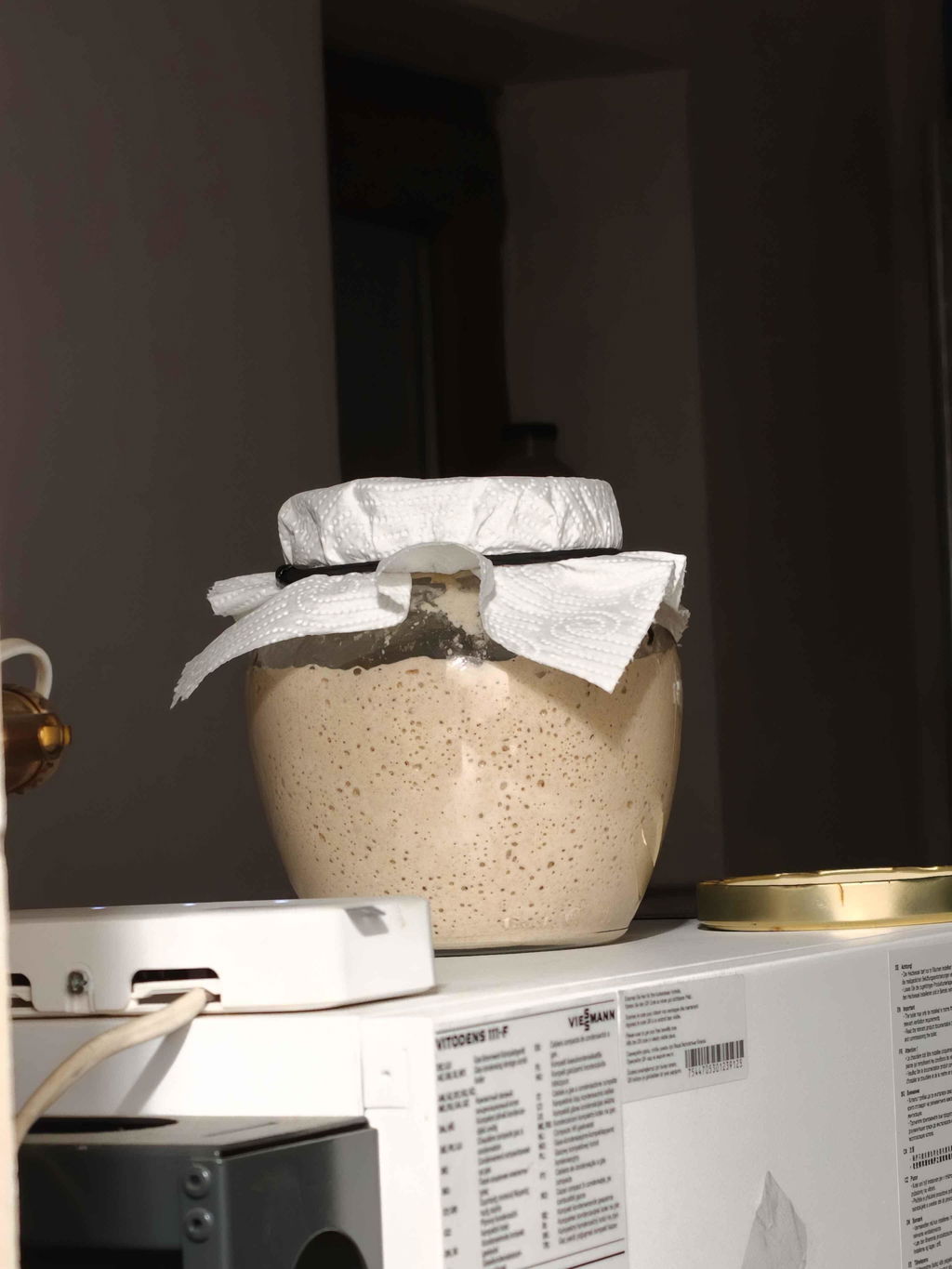
- The active original starter (it must bubble before you begin).
- Gluten-free flour: We recommend brown rice flour (whole grain) or buckwheat flour.
- Water: Preferably filtered or left to settle (chlorine-free).
Conversion Chart (7 Days)
| Day | Action | Ratios (Starter : Water : GF Flour) |
|---|---|---|
| Day 1 | First shock | 1 tbsp wheat starter + 50g water + 50g rice flour |
| Day 2 | Mixed feeding | Keep 50g of the mixture + 50g water + 50g rice flour |
| Day 3 | Mass dilution | Keep 30g of the mixture + 60g water + 60g rice flour |
| Days 4-7 | Stabilization (Zero Gluten) | Repeat the process from day 3. By day 7, traces of wheat are mathematically eliminated (< 20ppm). |
💡 3 Secrets for Success
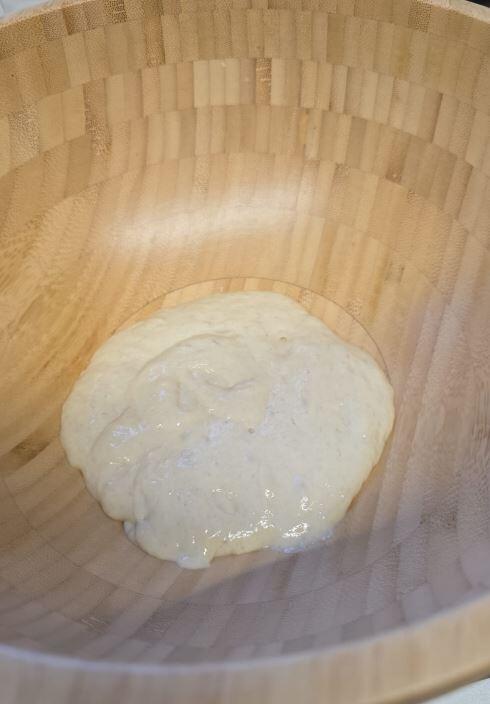
- Consistency: Gluten-free flour absorbs more water. If the sourdough is too thick, add another tablespoon of water. It should be like a thick paste, not like dough.
- Temperature: Gluten-free sourdough loves warmth (24-26°C).
- Smell: It is normal for it to smell slightly like vinegar or fermented fruit. If it smells like acetone, it needs feeding more often!

Frequently Asked Questions (FAQ)
Can I use any gluten-free flour?
We do not recommend commercial cake mixes (which contain baking powder). Use simple flours: rice, buckwheat, sorghum, or teff. See our collection of tested recipes.
How long does gluten-free sourdough last?
Just like the one with gluten! If you keep it in the fridge and feed it once a week, it can live forever.
Will the taste be different?
Yes, it will have the specific flavor of the flour used (for example, buckwheat is more intense), but it will keep that delicious tangy note characteristic of artisanal baking.
Ready to bake healthily?
It all starts with a strong culture.
Order the Historic Starter and Start the Conversion →